
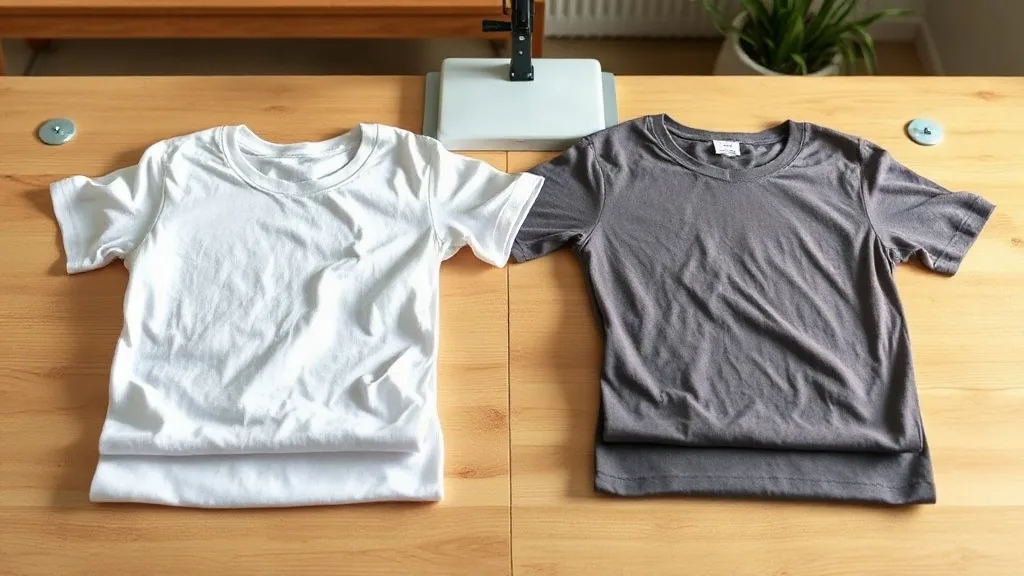
When you're building a custom apparel line, the blank you choose is just as important as the design you print on it. Two names that come up often in print shops and small brands are shaka wear and smart blanks. Both offer quality blanks, but they cater to slightly different needs and printing workflows. In this guide, we'll break down what makes each one stand out, especially for DTF (Direct-to-Film) printing, so you can make an informed decision for your next project.
Why the Blank Matters for DTF Printing
DTF printing has exploded in popularity because it allows for vibrant, detailed prints on a wide range of fabrics without the setup costs of screen printing. But not all blanks are created equal. The fabric composition, weight, and finish can affect how well the transfer adheres, how it feels, and how long it lasts. A poor-quality blank can lead to cracking, fading, or an uncomfortable wear experience, no matter how good your print looks out of the oven.
That's why serious print shops and apparel brands test their blanks thoroughly. Shaka Wear and Smart Blanks are both known for consistent quality, but they have distinct characteristics that might make one a better fit for your specific needs.
Shaka Wear: Streetwear Credibility Meets Print Performance
shaka wear has built a reputation in the streetwear and urban fashion scene. Their blanks are heavyweight, durable, and designed to hold up to the rigors of daily wear. For DTF printing, this is a big advantage: the tight knit and substantial fabric weight provide a smooth surface for transfers, reducing the risk of wrinkles or uneven application.
Fabric and Construction
Most Shaka Wear tees are made from 100% cotton, often in the 5.5 oz to 6.5 oz range. This weight gives them a premium feel and excellent drape. The fabric is typically ring-spun, which means it's softer and smoother than standard open-end cotton. For DTF, a smooth surface is crucial because it allows the transfer to bond evenly, resulting in a clean, professional finish.
Fit and Sizing
Shaka Wear blanks tend to run true to size with a modern, slightly relaxed fit. They offer a range of styles from classic tees to oversized cuts, which is great for brands targeting streetwear or athleisure aesthetics. The consistent sizing across styles makes inventory management easier, especially if you're offering multiple colors and sizes.
Print Performance with DTF
In our tests, Shaka Wear blanks handle DTF transfers exceptionally well. The heavyweight cotton provides a stable base that resists stretching during application, and the smooth surface ensures the transfer adheres fully. We've seen prints hold up after dozens of washes with minimal fading or cracking. The key is to follow the proper temperature and pressure settings for DTF, which we'll cover later.
Smart Blanks: The Budget-Friendly Workhorse
smart blanks are a popular choice for print shops and brands looking for reliable quality at a lower price point. They're often used for promotional merchandise, team uniforms, and large orders where cost per unit matters. But don't let the lower price fool you: Smart Blanks still deliver solid performance for DTF printing, especially when you choose the right style.
Fabric and Construction
Smart Blanks offers a variety of fabric blends, including 100% cotton and cotton/polyester blends. Their 100% cotton tees are typically in the 4.5 oz to 5.5 oz range, making them lighter than Shaka Wear. The lighter weight can be an advantage for warm-weather climates or for customers who prefer a thinner, cooler tee. However, lighter fabrics may require more careful handling during DTF application to avoid scorching or uneven pressure.
Fit and Sizing
Smart Blanks generally offer a classic, traditional fit. They're not as fashion-forward as Shaka Wear, but they're dependable for standard tees. Sizing is consistent, and they offer a wide range of colors, which is great for bulk orders. If your target audience prefers a classic look, Smart Blanks could be a better fit.
Print Performance with DTF
DTF prints on Smart Blanks look good, but the lighter fabric means you need to dial in your press settings. We recommend a slightly lower temperature or shorter dwell time to prevent the fabric from yellowing or the print from over-curing. The cotton/poly blends can also affect the feel of the print; polyester tends to hold the ink well but may have a slightly stiffer hand. Overall, Smart Blanks are a solid choice for budget-conscious projects where the print is simple and the volume is high.
Head-to-Head Comparison
Let's break down the key differences in a side-by-side format.
- Fabric weight: Shaka Wear is heavier (5.5-6.5 oz) vs Smart Blanks (4.5-5.5 oz). Heavier fabric feels more premium and often holds prints better.
- Softness: Both use ring-spun cotton, but Shaka Wear's heavier weight gives it a softer, more substantial hand.
- Durability: Shaka Wear edges out due to thicker fabric, but Smart Blanks are still durable for everyday wear.
- Price: Smart Blanks are generally more affordable, making them ideal for large orders or budget-sensitive projects.
- Fit: Shaka Wear offers modern, streetwear-inspired cuts; Smart Blanks stick to classic fits.
- DTF Performance: Both work well, but Shaka Wear requires less fiddling with press settings due to its weight and smooth surface.
When to Choose Shaka Wear
If you're building a premium brand, selling streetwear, or want blanks that feel substantial and hold up to repeated washing, Shaka Wear is the way to go. Their blanks are also great for DTF prints with fine details because the smooth fabric allows for crisp transfer. We've used Shaka Wear for limited-edition drops and high-end merch, and the feedback from customers has been overwhelmingly positive.
When to Choose Smart Blanks
For large promotional orders, team uniforms, or budget-friendly merch, Smart Blanks are a smart choice. They keep your costs down without sacrificing too much quality. If you're just starting out with DTF printing and want to experiment with different designs, Smart Blanks offer an affordable way to test the waters. Just be mindful of your press settings to avoid any mishaps.
DTF Application Tips for Both Blanks
Regardless of which blank you choose, proper DTF application is key to a long-lasting print. Here are some best practices:
- Pre-press the garment: This removes moisture and wrinkles, ensuring a smooth surface for the transfer.
- Use the right temperature: Most DTF transfers require 300-325°F (150-160°C). For lighter fabrics like Smart Blanks, start at the lower end.
- Apply consistent pressure: Medium to firm pressure is usually sufficient. Too little pressure can cause poor adhesion; too much can flatten the print.
- Peel cold or hot: Follow the transfer manufacturer's instructions. Most DTF transfers are cold peel, but some are hot peel.
- Post-press: A final press with a Teflon sheet or parchment paper for a few seconds can enhance durability.
We also recommend doing a wash test on a sample before committing to a large order. This simple step can save you from costly mistakes.
Real-World Experience: A Small Brand's Perspective
We spoke with a small apparel brand that uses both Shaka Wear and Smart Blanks in their lineup. They reserve Shaka Wear for their premium line, where customers are willing to pay more for a heavier, softer tee. For their promotional and event merch, they use Smart Blanks to keep costs down. They noted that DTF prints on Shaka Wear tend to look more vibrant and last longer, but Smart Blanks are perfectly adequate for short-term use. Their advice: match the blank to the end use and the customer's expectations.
Frequently Asked Questions
Can I use DTF printing on both Shaka Wear and Smart Blanks?
Yes, DTF works on both. Shaka Wear's heavier cotton provides a smoother surface, which can make application easier, but Smart Blanks also accept DTF transfers well with proper press settings.
Which blank is better for a beginner in DTF printing?
Smart Blanks are often more forgiving on price, so they're great for practice. However, Shaka Wear's weight makes it less prone to scorching, which can be helpful for beginners still learning temperature control.
Do DTF prints last longer on Shaka Wear than on Smart Blanks?
In our experience, prints on Shaka Wear tend to show less fading and cracking over time due to the heavier fabric, but Smart Blanks can also achieve good longevity with proper application and care.
Are Smart Blanks suitable for retail sale?
Absolutely. Many small brands use Smart Blanks for retail, especially for budget-friendly lines. The key is to ensure the print quality is high and the garment meets your customers' expectations for fit and feel.
Can I mix Shaka Wear and Smart Blanks in the same order?
Yes, you can, but be aware that the different fabric weights may require slightly different press settings. It's best to test each type separately to dial in your process.
Final Thoughts
Both Shaka Wear and Smart Blanks have their place in a print shop's arsenal. If you're after premium quality, streetwear appeal, and a blank that makes your DTF prints look their best, Shaka Wear is hard to beat. If you need cost-effective, reliable blanks for large orders or promotional items, Smart Blanks deliver solid value. Ultimately, the right choice depends on your brand identity, budget, and the expectations of your customers. Whichever you choose, remember that proper DTF application and care will ensure your prints look great and last long.