
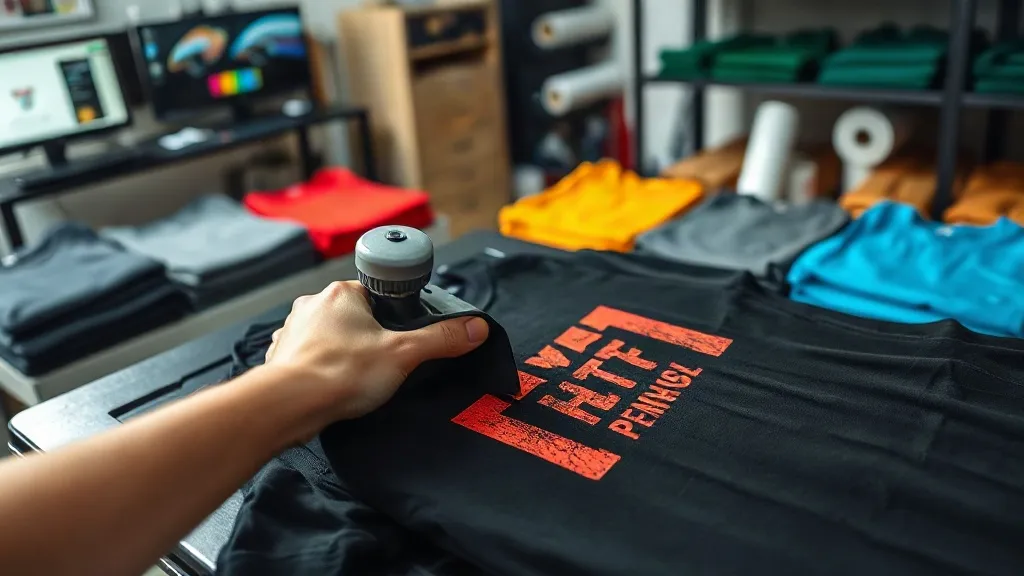
When you run a small apparel brand or a print shop, the pressure to deliver vibrant, durable prints on demand is real. You've probably tried screen printing, vinyl, and maybe even sublimation, but each comes with its own headaches: screens are costly for short runs, vinyl is limited to simple designs, and sublimation only works on polyester. That's where dtf transfers come in. Direct-to-film printing has quietly become the go-to solution for creators who need full-color, photo-realistic prints on cotton, blends, and even dark garments, without the setup hassle. In this guide, I'll walk you through everything you need to know to choose the right DTF transfers and apply them like a pro, based on hands-on experience and industry best practices.
What Are DTF Transfers and Why They Matter
DTF stands for Direct-to-Film. The process involves printing your design onto a special film using water-based pigment inks, then applying a powdered adhesive while the ink is still wet. Once the powder is melted, the film is ready to be heat-pressed onto fabric. The result is a soft, stretchable print that bonds permanently to the garment. Unlike DTG, which requires pre-treatment and works best on 100% cotton, DTF adheres to almost any fabric, including polyester, nylon, and blends. For a small business, that versatility means you can offer more products without investing in multiple printing methods.
The DTF Process Step by Step
- Design and print: Create your artwork and print it onto DTF film using a DTF printer. The image appears mirrored.
- Powder application: While the ink is wet, sprinkle hot-melt adhesive powder over the design. Shake off the excess.
- Curing: Melt the powder using a heat press or oven until it forms a smooth, slightly glossy layer.
- Transfer: Place the film on the garment and press with a heat press at the recommended temperature and pressure. The adhesive and ink transfer to the fabric.
- Peel: Once cool, peel away the film to reveal a vibrant, durable print.
Each step might sound straightforward, but small details make a big difference in the final quality. For instance, powdering too early or too late can cause gaps or excess powder, leading to a rough texture. Curing temperature and time must be precise; undercured powder will wash out, while overcured powder can yellow or become brittle. I learned this the hard way when I first started: a batch of shirts with slightly undercured transfers lost their prints after a single wash. Since then, I always use a temperature gun to verify my heat press settings and keep a log of successful parameters.
Choosing the Right DTF Transfers for Your Needs
Not all DTF transfers are created equal. The quality of the film, ink, and powder, as well as the printing technique, affects durability, color vibrancy, and feel. When sourcing DTF transfers, consider these factors:
- Film quality: Look for films that are coated evenly and resist curling. Cheap films can cause ink smearing or poor adhesion.
- Ink type: Water-based pigment inks are standard, but some suppliers use inferior inks that fade quickly. Seek out transfers with a reputation for colorfastness.
- Powder adhesive: The adhesive should be fine and consistent. Clumpy powder leads to uneven texture.
- Print resolution: High-resolution prints (1440 dpi or higher) ensure crisp details and smooth gradients.
- Supplier reputation: Read reviews and ask for samples. A reliable supplier will provide consistent quality and support.
If you're printing in-house, your printer and supplies matter just as much. But for many small businesses, outsourcing to a specialized DTF transfer provider is more cost-effective and saves time. You can order gangsheets (large sheets with multiple designs) to maximize efficiency and reduce waste. That's where a service like Custom Premium Shirt comes in: they offer high-quality dtf transfers in gangsheet format, allowing you to upload your designs and get them printed and shipped. It's a great way to test the waters without buying expensive equipment.
DTF vs. Other Printing Methods
How does DTF stack up against screen printing, DTG, and vinyl? Here's a quick comparison:
- Screen printing: Best for large orders with few colors. Setup costs are high, and it's not economical for short runs. DTF excels at short runs and full-color designs.
- DTG: Great for 100% cotton, but requires pre-treatment and can be inconsistent on blends. DTF works on almost any fabric without pre-treatment.
- Vinyl: Inexpensive for simple one-color designs, but limited in detail and not breathable. DTF handles complex artwork with ease.
- Sublimation: Only for polyester and light-colored fabrics. DTF works on darks and cottons.
For a small apparel brand that offers a variety of products, DTF provides the flexibility to print on demand without compromising quality. It's also a great option for adding custom prints to ready-made blanks, like those from Shaka Wear, which are known for their quality and fit.
How to Apply DTF Transfers Like a Pro
Applying DTF transfers might seem simple, but getting a professional finish requires attention to detail. Here's a step-by-step guide to ensure your prints look great and last long:
- Preheat the garment: Press the shirt for a few seconds to remove moisture and wrinkles. This helps the transfer adhere evenly.
- Position the transfer: Place the film on the garment with the design facing up. Use heat-resistant tape if needed to keep it in place.
- Press: Set your heat press to the temperature recommended by the transfer supplier (usually around 300°F to 320°F). Apply medium to firm pressure for 10-15 seconds.
- Peel: Wait for the film to cool completely before peeling. Hot peel can cause the design to stretch or tear. For best results, peel in a smooth, steady motion.
- Post-press: For added durability, press the garment again for 5-10 seconds with a protective sheet or parchment paper. This ensures the adhesive fully bonds.
I recommend doing a test press on a scrap piece of fabric before running a full batch. Different fabrics may require slight adjustments in temperature or pressure. For example, polyester blends might need a slightly lower temperature to avoid scorching, while heavy cotton can handle higher heat. Keep a notebook with your settings for each fabric type; it will save you time and materials in the long run.
Common Mistakes to Avoid
- Pressing on a damp garment: Moisture can cause the transfer to bubble or peel. Always preheat to remove moisture.
- Using too much pressure: Excessive pressure can cause the ink to spread, leading to a blurred image. Stick to medium-firm pressure.
- Peeling too soon: Patience is key. Let the film cool completely for a clean peel.
- Ignoring wash care instructions: Even the best DTF print can degrade if washed improperly. Always inform your customers to wash inside out in cold water and avoid ironing directly on the print.
By avoiding these pitfalls, you'll achieve consistent, professional results that keep customers coming back.
DTF Transfers for Small Businesses: A Game Changer
For small apparel brands, DTF transfers offer a low-barrier entry into custom printing. You don't need to invest thousands in equipment; you can order transfers from a supplier and apply them with a heat press, which you probably already own. This model allows you to offer a wide range of designs without holding inventory. You can print on demand, which means you can test new designs with minimal risk. Plus, DTF transfers work on a variety of garments, from t-shirts and hoodies to tote bags and caps, giving you room to expand your product line.
One of the biggest advantages is the ability to create gangsheets. A gangsheet is a large film sheet that contains multiple designs, arranged to maximize space. This reduces waste and cost per print. Many suppliers, including Custom Premium Shirt, offer gangsheet builders that let you upload your artwork, arrange it on a sheet, and order. It's a smart way to produce a variety of designs in one go, perfect for limited drops or sample packs.
Marketing Your DTF-Printed Apparel
Once you have your prints, how do you sell them? High-quality DTF prints can be a selling point. Highlight the vibrancy, durability, and soft feel in your product descriptions. Use close-up photos to show the detail. Offer care instructions to ensure longevity and reduce returns. And don't forget to showcase the versatility: DTF works on dark colors, blends, and even unusual fabrics like canvas. That opens up possibilities for niche products, such as custom aprons or pet bandanas.
Frequently Asked Questions About DTF Transfers
How durable are DTF transfers?
When applied correctly, DTF transfers are highly durable. They can withstand multiple washes without fading or cracking, typically lasting as long as the garment itself. Proper washing (inside out, cold water) and avoiding direct ironing on the print will extend their life.
Can I use DTF transfers on dark-colored shirts?
Yes, absolutely. Unlike DTG, DTF prints a white ink base underneath the colors, so the design pops on dark fabrics. This makes DTF ideal for black, navy, and other dark garments.
What fabrics work best with DTF?
DTF adheres well to cotton, polyester, blends, and even nylon and canvas. It's not recommended for fabrics with a heavy coating or waterproof finish, as the adhesive may not bond properly.
Do I need a special printer for DTF?
You can either buy a dedicated DTF printer or order pre-printed transfers from a supplier. For beginners or small businesses, ordering transfers is more cost-effective and requires less maintenance.
How should I store unused DTF transfers?
Store them in a cool, dry place away from direct sunlight. Keep them flat to prevent curling. Properly stored transfers can last for several months.
With these insights, you're ready to incorporate DTF transfers into your workflow. Whether you're a small brand looking to offer custom apparel or a hobbyist wanting to print your own designs, DTF provides a versatile, cost-effective solution. Give it a try, and you'll see why it's becoming the go-to method for vibrant, lasting prints.