
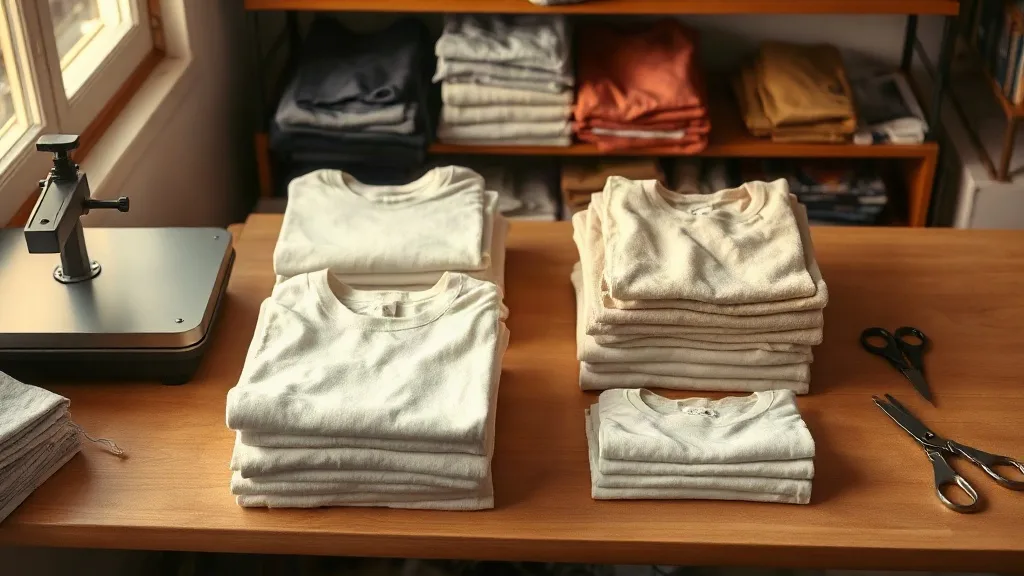
Every print shop owner eventually learns the same lesson, usually after a bad batch of shirts and an awkward phone call: the blank is not an afterthought. It is the product. The customer may have ordered a design, but what lands in their hands is fabric, stitching, a neckline and a fit. When that fabric pills after two washes or the collar twists in the dryer, nobody blames the blank supplier. They blame you. That is why the shops that survive past their first few years tend to settle on a small, reliable set of blanks they trust, and they stop chasing whatever is cheapest that week. For a growing number of shops, that trusted set includes smart blanks alongside workhorses like shaka wear, and the reasoning is less about hype than about what happens to your numbers when the supply side stops surprising you.
Why the blank decision quietly sets your profit ceiling
Most pricing conversations in the DTF and custom apparel world focus on the print. What does a transfer cost, what does a gangsheet yield, what should you charge per unit. All of that matters, but it sits on top of a foundation you choose before a single design is printed. If your blank costs you three dollars more than it should and you are printing a short run, your margin disappears in a way no pricing strategy can rescue. If your blank is inconsistent, you absorb reprints, which is the most expensive kind of work because you pay twice for labor and materials while collecting nothing.
The blank also determines how forgiving your process can be. A heavyweight cotton tee with a tight weave holds a DTF transfer cleanly and keeps its shape through repeated wash cycles. A thin, loosely knit shirt will show every imperfection in the transfer and start to distort after a handful of wears. Shops that print on whatever is on sale end up with a customer service burden they did not budget for.
The hidden cost of switching suppliers constantly
There is a temptation to treat blanks as a commodity and buy from whoever has the lowest price when an order comes in. On paper that looks efficient. In practice it creates a cascade of small problems. Colors drift between suppliers, so a customer who reorders in March gets a shirt that does not quite match the one from January. Sizing runs differently, so your size chart is wrong half the time. Weight and hand feel change, which means your press settings and transfer adhesion need adjusting on the fly. None of these issues are catastrophic on their own, but together they turn a simple print job into a series of small fires.
Sticking with a consistent supply base, even if the per-unit price is a few cents higher, usually wins on total cost. You learn the fabric. You know how it behaves under heat. You can quote a job with confidence because you already know what the finished piece will look like.
What Smart Blanks brings to a working shop
The appeal of smart blanks is not that they are the fanciest option on the market. It is that they behave predictably across the range of jobs a typical shop handles, from a fifty-piece team order to a single custom tee for a walk-in customer. Predictability is the whole game when you are running a small operation and cannot afford to eat mistakes.
In practical terms, that means a blank that takes a transfer cleanly without scorching, holds its color after washing, and fits the way the size chart says it will. Shops that print a lot of DTF work care about surface texture in particular, because a very rough or very slick fabric can cause adhesion problems that only show up after the customer has worn the shirt a few times. A blank with a consistent, medium-smooth surface removes a variable you would otherwise be troubleshooting on every order.
Matching the blank to the job, not the other way around
Not every order calls for the same garment, and part of running a good shop is knowing which blank fits which use case. A few patterns worth keeping in mind:
- Retail-facing custom pieces benefit from a blank with a slightly heavier hand and a clean finish, because the customer is judging the shirt as a product, not a promotional item.
- Event and team orders usually prioritize durability and consistent sizing over premium feel, since these shirts get worn hard and washed often.
- Sample and one-off jobs are where you test new blanks before committing to a bulk order, so keep a couple of options on hand rather than standardizing too early.
The shops that get this right tend to keep two or three go-to blanks in stock and treat everything else as an experiment. That keeps inventory manageable and keeps the quoting process fast, which matters more than most owners admit when a customer is waiting on the other end of the phone.
Where Shaka Wear fits into the picture
Shaka wear has earned a following among print shops for reasons that are easy to understand once you have run a few jobs on it. The garments are built for decoration, with a weight and construction that hold up to heat pressing and repeated washing without the kind of distortion that ruins a transfer. For shops doing a high volume of DTF work, that reliability translates directly into fewer reprints and fewer awkward conversations.
Pairing a dependable blank like Shaka Wear with a consistent option from the smart blanks range gives a shop a supply base that covers most of what walks through the door. One handles the jobs where customers want a familiar, sturdy feel. The other fills in the gaps for orders that need a different weight or cut. Together they reduce the number of decisions you have to make on any given day, and decision fatigue is a real cost in a small business.
A simple framework for choosing between them
When a new order comes in, the blank question usually answers itself once you know three things: the purpose of the shirt, the customer's budget, and how many units are involved. High-volume orders with a tight budget lean toward the most cost-effective reliable option. Smaller runs where the customer cares about feel and finish justify a step up. Repeat corporate clients often have a preferred blank already, and matching it exactly is worth more than saving a few cents per unit. The framework is not complicated, but writing it down and applying it consistently is what separates shops that scale from shops that stay stuck at the same revenue year after year.
The margin math most shops get wrong
Here is a mistake that shows up again and again: pricing a job based on the cost of the cheapest blank available, then discovering later that the actual cost included reprints, rush shipping and lost time. A more honest calculation looks at the fully loaded cost per finished piece. That includes the blank, the transfer, the labor, the packaging and a realistic allowance for defects. When you price against that number, the difference between a bargain blank and a reliable one often shrinks to almost nothing, while the difference in customer satisfaction is enormous.
There is also the question of repeat business. A customer who receives a shirt that fits well and survives a dozen washes is a customer who comes back for the next order without shopping around. That lifetime value is worth far more than the few dollars saved on a cheaper garment. Shops that understand this stop viewing blank selection as a purchasing decision and start treating it as a customer retention strategy.
Building a supply routine that actually holds up
Once you have settled on a short list of blanks you trust, the next step is making the supply side boring. That means keeping a small buffer stock of your most-used sizes and colors so a last-minute order does not send you scrambling. It means tracking which blanks perform best for which job types so your quoting gets faster over time. And it means resisting the urge to switch suppliers every time a sale email lands in your inbox.
A shop that runs on shaka wear and a dependable smart blanks lineup has effectively outsourced a chunk of its quality control to the supply chain. That is not laziness. It is good business. The energy you save troubleshooting fabric can go into design work, marketing and the parts of the job that actually grow revenue.
Frequently asked questions
Are smart blanks suitable for DTF printing?
Yes, in most cases. The key is checking the fabric surface and weight before committing to a bulk order. Medium-weight, smooth-weave cotton takes DTF transfers well, and running a test press on a single unit before a large run will tell you everything you need to know about adhesion and finish.
How many blank styles should a small print shop keep in stock?
Two or three reliable options cover the vast majority of orders. Keeping more than that ties up cash in inventory and complicates your quoting process. Add a new style only when a specific customer request or job type justifies it, and test it on a small run first.
Is Shaka Wear worth the price compared to cheaper blanks?
For shops doing repeat business and DTF work, usually yes. The savings from fewer reprints, fewer returns and stronger customer loyalty tend to outweigh the per-unit difference. If you are testing the waters, order a small batch and compare wash durability against your current blank before switching over.
How do I explain blank quality to customers who only care about price?
Focus on what they will experience, not on the fabric specs. A shirt that keeps its shape and color after twenty washes is a better value than one that looks tired after three, even if it costs a little more upfront. Offering two tiers of pricing, one budget and one premium, lets customers make that trade-off themselves.