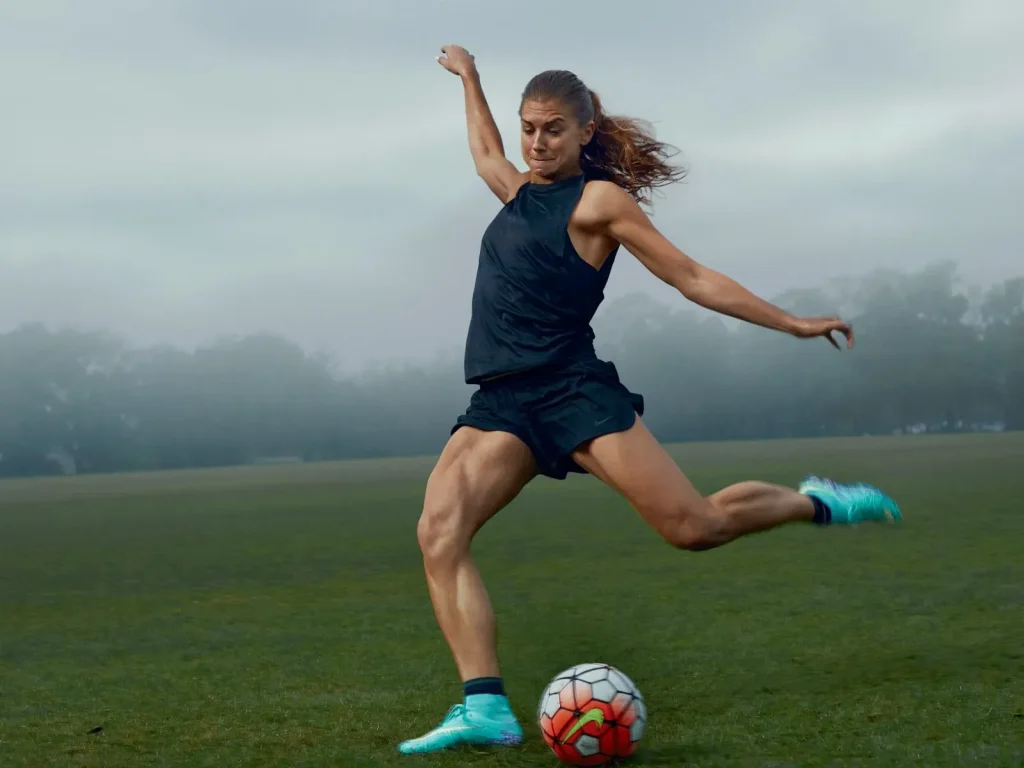
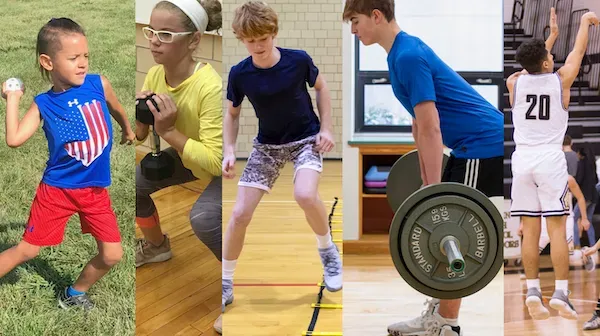
Youth sports development is more than just teaching kids how to kick, pass, or shoot; it blends physical skill with confidence, resilience, and teamwork to build a lifelong love of activity. This approach blends movement skills with deliberate skills development in youth sports to help kids grow confident and capable. When implemented well, it emphasizes safety, inclusion, and confidence building in young athletes that comes from feedback, practice, and steady progress. Through thoughtful youth sports coaching for kids, coaches can design activities that foster teamwork in youth sports while keeping sessions engaging and safe. By aligning practices with developmental stages and making participation fun, this approach lays the foundation for lifelong involvement and personal growth.
Seen through another lens, this field is often described as juvenile athletic development, where movement literacy and sport-ready skills form a learner-friendly foundation. Terms like child-athlete growth and early sport participation highlight building confidence, resilience, and teamwork through structured practice. Latent Semantic Indexing (LSI) principles suggest weaving related phrases such as youth physical literacy, sport-specific skill acquisition in youth, and positive athlete development pathways to strengthen relevance. Effective programs use inclusive coaching frameworks and progressive challenges that align with age and maturation, ensuring safety and sustained interest. Framing the topic in these connected terms helps stakeholders see how skill progression, personal growth, and social development intertwine across different youth sport contexts.
Youth Sports Development: A Holistic Foundation for Lifelong Activity
Youth sports development is a holistic approach that blends physical skill-building with personal growth, social skills, and a positive mindset. It goes beyond teaching kids how to kick, pass, or shoot by fostering movement literacy, confidence, and a lifelong love of activity. When programs prioritize the whole child, they create durable habits and healthier lifestyles that extend well beyond the playing field. This is where the concept of youth sports development truly comes to life—through thoughtful design that supports physical, mental, and social well-being.
In practice, a well-rounded framework integrates age-appropriate coaching, deliberate practice, inclusive participation, and ongoing feedback. It emphasizes skills development in youth sports while prioritizing confidence building in young athletes and encouraging positive teamwork. By aligning activities with developmental stages, coaches and parents can cultivate enjoyment, safety, and inclusion, ensuring every child finds value and purpose in sport.
Skills Development in Youth Sports: From Movement Literacy to Sport-Specific Mastery
A strong skill foundation is essential for any sport, and youth sports development relies on a structured approach that starts with broad movement literacy. Kids learn fundamental skills such as running, jumping, throwing, and catching, which build a versatile base for later sport-specific technique. Engaging, age-appropriate drills help develop coordination, balance, and proprioception, empowering children to feel confident in their bodies as they master more complex tasks.
Gradually layering in sport-specific technique ensures progress without overload. Clear demonstrations, simple mechanics, and progressive challenges help younger athletes grasp basics like foot placement and timing, while older players can tackle strategy, spacing, and decision-making. A well-designed practice structure—short, focused blocks with frequent feedback—supports consistent growth in skills development in youth sports and reinforces a sense of competence and joy.
Confidence Building in Young Athletes: Fostering Growth Mindset and Resilience
Confidence is a critical driver of participation and performance. When kids trust their abilities, they’re more willing to try new techniques, endure setbacks, and stay engaged in sport. Confidence building in young athletes happens best when feedback is constructive, praise is specific, and goals are achievable within a supportive environment. A growth mindset transforms mistakes into data to learn from, reinforcing the idea that effort and strategy, not fixed talent, determine progress.
Setting meaningful, process-oriented goals helps kids stay motivated. Short-term aims—such as keeping eyes up during a pass or improving a dribble using both hands—are more actionable than vague outcomes. Regular check-ins celebrate small wins, recalibrate targets as skills grow, and deepen kids’ belief that effort yields improvement. Positive feedback, paired with opportunities to demonstrate progress in low-pressure settings, nurtures confidence that lasts across sports and life.
Teamwork in Youth Sports: Teaching Communication, Roles, and Collective Success
Teamwork in youth sports is a natural classroom for learning collaboration, communication, and leadership. Programs that emphasize clearly defined roles, open dialogue, and shared responsibilities help children understand how teamwork drives success. Rotating positions during drills allows every child to experience leadership and support, building appreciation for diverse strengths and the value of contributing to the group.
Effective teamwork relies on clear communication and inclusive practices. Simple cues, eye contact, and nonverbal signals keep players connected during fast-paced activities, while peer feedback fosters mutual respect. Creating a culture of belonging—where every child is valued regardless of skill level—strengthens social development and makes the sports experience more enjoyable, reinforcing teamwork as a core life skill.
Youth Sports Coaching for Kids: Practical, Safe, and Engaging Approaches
Quality coaching for kids blends instruction with encouragement, safety, and lifelong enjoyment. Youth sports coaching for kids should focus on sustainable skill advancement, confidence-building, and teamwork rather than early specialization or heavy competition. Short, clear instructions, frequent demonstrations, and scalable drills keep all participants engaged and progressing.
Coaches model core values such as integrity, effort, and resilience, demonstrating calm management of mistakes and losses. A safe space for experimenting with new techniques supports curiosity and long-term participation. Parental involvement plays a supportive role by reinforcing positive behaviors and aligning with the program’s goals, ensuring a cohesive approach to development.
Designing Safe Programs: Safe Progressions, Measurable Growth, and Sustained Interest
Effective program design for youth sports starts with age-appropriate progressions, safe equipment, and proper supervision. Training volumes should align with physical and cognitive development, incorporating ample rest to prevent burnout and injuries. Safe training environments build trust with kids and parents, creating a foundation for lasting participation and enjoyment of the game.
Progress can be tracked with simple, objective measures and qualitative observations. Drills that quantify improvement—such as accuracy, speed, and decision-making—provide tangible evidence of growth. Keeping sessions varied and offering children some autonomy—such as choosing activities or taking on leadership roles—helps sustain interest and ownership, ensuring youth sports development remains meaningful and inclusive over time.
Frequently Asked Questions
What is youth sports development and why is it important for kids?
Youth sports development is a holistic approach that blends physical skill-building with confidence, resilience, and teamwork. It emphasizes movement literacy, sport-specific technique, and positive social growth, helping children develop lifelong healthy activity habits while enjoying the process. By focusing on safe, inclusive experiences, programs nurture overall development beyond winning or scoring.
How does skills development in youth sports support long-term participation and performance?
Skills development in youth sports combines movement literacy, sport-specific technique, and structured practice to build a broad motor base and transferability across activities. Short, purposeful practice blocks with regular feedback help kids see progress, stay motivated, and reduce injury risk as they grow older.
What strategies support confidence building in young athletes during practice?
Confidence building in young athletes comes from growth-minded feedback, specific praise tied to technique, and achievable goals. Emphasize effort and learning data—what worked, what to adjust—and provide low-pressure opportunities to demonstrate improvement to reinforce belief in their abilities.
How can teams foster teamwork in youth sports and why does it matter?
Teamwork in youth sports is enhanced through clearly defined roles, open communication, and inclusive practices. Rotating leadership, paired drills, and collaborative scrimmages help kids value peers’ strengths, develop trust, and work together to achieve shared goals.
What should youth sports coaching for kids emphasize to maximize growth and safety?
Youth sports coaching for kids should prioritize age-appropriate instruction, safe training environments, and enjoyment. Use short, clear demonstrations, scalable drills, and positive reinforcement, while engaging parents to support consistent practice and safe participation.
How can programs measure progress in youth sports development while keeping kids engaged?
Track progress with simple, objective measures (e.g., accuracy, speed, decision-making) and qualitative observations. Regular goal review, variety in drills, and opportunities for leadership foster ongoing engagement and demonstrate progress in youth sports development.
| Aspect | Key Points |
|---|---|
| Purpose / Holistic Approach | Blends physical skills with confidence, resilience, social skills; aims to foster lifelong activity, enjoyment, inclusion, and safe participation. |
| Core Principles | Age-appropriate coaching, deliberate practice, inclusive participation, safe training environments, ongoing feedback; aligns with developmental stages to maximize learning and minimize burnout. |
| Skills Development | Movement literacy (running, jumping, throwing, catching, balance); sport-specific technique gradually; structured practice with warm-ups, drills, scrimmage, cool-down; progress measures. |
| Practice Structure | Short, intentional blocks, frequent feedback, variety of drills, regular assessments to track progress. |
| Confidence Building | Constructive feedback, specific praise, growth mindset, achievable short-term goals; cultivate learning loops and reduce fear of failure. |
| Teamwork | Clear roles, effective communication, inclusive practices, leadership opportunities; cooperative drills that rely on teammates. |
| Coaching for Kids | Clear instructions, demonstrations, scalable drills, safe handling of mistakes, modeling values, and supportive parental involvement. |
| Safety & Program Design | Safe equipment, appropriate supervision, injury prevention, rest and recovery, concussion awareness where applicable. |
| Progress Tracking & Engagement | Quantitative drills (accuracy, pass rates) and qualitative observations; variety, autonomy, leadership roles, celebrating effort and teamwork. |
Summary
Youth sports development is a powerful approach to nurturing athletic skill, confidence, and teamwork in kids. By focusing on foundational skills, a growth mindset, meaningful teamwork, and quality coaching within safe and inclusive programs, children can experience lasting benefits that extend beyond the playing field. The goal is to create joyful, sustainable participation, where every child feels capable, valued, and inspired to pursue sport—and life—with curiosity and perseverance. Through thoughtful program design, supportive coaching, and active parental involvement, we can help the next generation grow into healthy, confident, and collaborative individuals who carry the lessons of youth sports development lifelong.