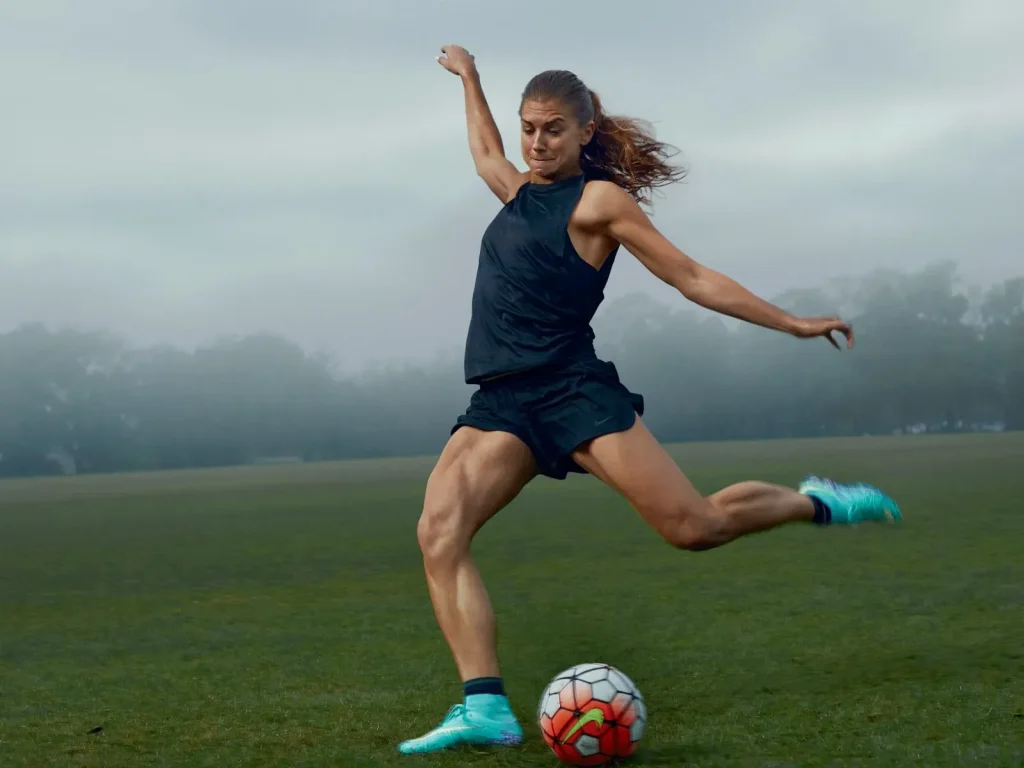
Women in sports are steadily moving from the margins to the center of global athletic culture, propelled by bold performances, rigorous training, and the growing chorus of fans, sponsors, and advocates who celebrate resilience, teamwork, and the relentless pursuit of excellence across disciplines, from the courts and tracks to arenas and boards where leadership and strategy intersect with athletic craft. These shifts are inseparable from the broader narrative of women’s empowerment, where women’s sports achievements are increasingly recognized as indicators of perseverance, strategic preparation, and the capacity to influence communities that extend far beyond the arena, fueling school programs, local leagues, and national movements that elevate participation and broaden the base of support for female athletes. Across tennis, track, gymnastics, soccer, swimming, and myriad other fields, female athletes breaking records illustrate that the boundaries of human performance continue to move outward as science, data-driven coaching, nutrition, mental resilience, and access to world-class facilities converge to elevate competition at every level while inspiring young competitors to aim higher. The conversation around advancement of women in athletics includes how we cultivate talent, expand access to resources, and create coherent ladders from youth programs to elite stages, ensuring opportunities for women in sports are attainable for athletes regardless of where they begin, while policymakers, mentors, and media partners collaborate to sustain momentum. Ultimately, the pursuit of gender equality in sports becomes a catalyst for policy reform, sponsorship models, media attention, and community support that lift the entire ecosystem while honoring individual stories of courage, leadership, and the shared dream of equitable participation, leaving a lasting legacy for generations of girls and women who see themselves in the game.
To broaden the theme through related terms, consider the broader landscape of women in competitive athletics, where female athletes contribute to breakthroughs, leadership, and systemic change. Alternative expressions such as the rise of women’s leadership in sport, achievements by female sportspersons, and the ongoing growth of girls’ and women’s participation in sport reflect the same core story in linguistically connected ways. This LSI-informed framing helps search engines recognize semantic relationships between empowerment, performance, governance, and inclusion, while readers encounter varied language that remains coherent and engaging. In practice, the narrative shifts from a single identity—athletes—to a network of roles, from coaches and administrators to organizers and advocates, all contributing to a more equitable and dynamic sports ecosystem.
1. The Rise of Women in Sports: From Margins to Mainstream
Women in sports have long navigated a path from the margins to the center of global athletic culture. This ascent is driven by a combination of extraordinary performances and a mounting focus on the systems that support competition, from coaching to governance. When women compete at the highest levels, they redefine what is possible and inspire a broader audience to engage with sport as a shared cultural phenomenon.
The modern landscape is shaped by improved access to resources, greater media attention, and targeted investments in youth participation. These changes reflect the true essence of the advancement of women in athletics: a dynamic shift in where power, opportunity, and recognition reside. As leadership roles grow and sponsorship follows success, Women in sports increasingly move from the periphery toward the heart of athletic culture.
2. Women’s sports achievements: A Decade of Record-Breaking Excellence
Across disciplines—from tennis and gymnastics to track and field and team sports—the last decade has showcased a wave of women’s sports achievements that push the boundaries of human performance. These moments are not isolated triumphs but a collective archive of progress that elevates the standard for peak performance and motivates future generations.
Record-breaking performances are the tangible markers of a broader cultural shift. They demonstrate how training science, nutrition, and data-driven coaching unlock new levels of excellence, turning personal bests into national pride and global inspiration. Each milestone contributes to the ongoing narrative of women’s sport and reinforces the momentum behind the movement of the moment.
3. Female Athletes Breaking Records: Catalysts for Global Impact
The persistence of female athletes breaking records signals a broader transformation in how sport is perceived and valued worldwide. These landmark moments attract new fans, attract investment, and encourage young athletes to pursue ambitious goals with confidence.
Beyond the scoreboard, such breakthroughs create tangible opportunities—scholarships, elite training pathways, and greater visibility—that accelerate the journey of aspiring competitors. This energy fuels the growth of the sport ecosystem and reinforces the idea that female athletes breaking records can redefine what everyone believes is achievable.
4. Advancement of Women in Athletics: Leadership, Coaching, and Governance
Sustained progress depends on more women occupying leadership, coaching, and governance roles across sport. When female voices shape strategy, policy, and program design, the sport becomes more inclusive, resilient, and responsive to athletes’ needs.
This advancement of women in athletics translates into clearer career pathways for athletes and professionals, stronger youth development pipelines, and better governance. As women gain influence at national and international levels, decision-making improves, funding is channeled toward sustainable programs, and the entire ecosystem moves closer to equitable opportunity.
5. Gender Equality in Sports: Visibility, Policy, and Global Perspectives
Media representation and broadcast access play pivotal roles in shaping how sport is valued and perceived. When gender equality in sports is prioritized, competitions receive balanced coverage, sponsorship becomes more attainable, and girls see a realistic path to participation and achievement.
Global perspectives highlight that progress is not uniform, yet the underlying trajectory is universal: equitable access, diverse leadership, and inclusive competition environments strengthen sport for everyone. By elevating diverse voices and ensuring fair treatment, communities build a more powerful, sustainable, and inspiring athletic culture.
6. Opportunities for Women in Sports: From Grassroots to the Global Stage
Youth programs, scholarships, and media partnerships are expanding opportunities for women in sports at every level. When young athletes encounter supportive coaching, role models, and clear pathways to higher levels of competition, they are more likely to pursue sport educationally and professionally.
The ecosystem around women’s sport—clubs, federations, sponsors, and broadcasters—continues to broaden opportunities for women in sports. By creating inclusive environments, investing in facilities, and promoting female leadership, the cycle strengthens talent pipelines and ensures that opportunity is available to a growing and diverse group of athletes.
Frequently Asked Questions
How are women in sports driving today’s women’s sports achievements and setting new records?
Women in sports are driving today’s momentum in women’s sports achievements and setting new records across tennis, track, gymnastics, and team sports. This record-breaking momentum reflects the advancement of women in athletics and inspires the next generation to aim higher. Improved access to coaching, funding, and media coverage helps sustain progress and widen pathways for future champions.
In what ways does the advancement of women in athletics appear in leadership and governance within sports?
The advancement of women in athletics is increasingly visible in coaching, management, and governance roles across organizations. This shift supports gender equality in sports by creating inclusive decision-making, clearer career pathways, and more opportunities for women in sports.
How do opportunities for women in sports expand from grassroots programs to professional leagues?
Opportunities for women in sports are expanding from grassroots clubs and scholarships to national leagues and professional circuits. Grassroots programs, elite academies, and sponsorships build pipelines that help female athletes reach the highest levels, illustrating ongoing advancement of women in athletics.
Why is gender equality in sports essential for sustaining progress in athletics?
Gender equality in sports ensures fair access to resources, media visibility, and sponsorship, strengthening participation and performance at every level. When gender equality in sports improves, women’s sports achievements mount, and the broader advancement of women in athletics accelerates.
What impact does media visibility have on women in sports and on the trend of female athletes breaking records?
Balanced media coverage for women in sports expands audiences, attracts sponsors, and boosts youth participation. This visibility highlights female athletes breaking records and supports the ongoing advancement of women in athletics and opportunities for women in sports.
What role do youth education and role models play in the advancement of women in athletics and expanding opportunities for women in sports?
Youth education, mentorship, and role models build a durable pipeline for talent in women’s sport. The advancement of women in athletics is reinforced when young people see successful female athletes and pursue leadership roles, expanding opportunities for women in sports and strengthening gender equality in sports.
| Aspect | Key Points |
|---|---|
| Breaking Records | Across sports, women are achieving record-breaking performances that redefine peak performance and signal a broader cultural shift. |
| Leadership & Governance | More women in coaching, leadership roles, and governance; policy changes and pathways to professional careers; gender equality as an actionable objective. |
| Opportunity & Investment | Grassroots and elite programs, scholarships, sponsorship, media exposure, and paid opportunities that expand the talent pipeline and support sustained careers. |
| Visibility & Global Perspectives | Balanced media coverage and equitable broadcasting, improving visibility for female athletes and inspiring participation; regional diversity and governance inclusion. |
| Youth, Education & Next Generation | Education, physical literacy, mentorship, and pathways to higher education and professional sport help cultivate the next generation of women in sports. |
| Systemic Change & Social Impact | Sport acts as a vehicle for social change when girls have access to sport, role models, and inclusive governance; communities benefit. |
Summary
Women in sports have moved from the margins to the center of global athletic culture, a story defined by record-breaking performances and expanding opportunities. This momentum is not just about icons; it’s about the ecosystems—coaching, governance, funding, media, and youth development—that enable athletes to train, compete, and lead. As more women occupy coaching and leadership roles, sponsorship grows, and media coverage becomes more balanced, the path for younger athletes becomes clearer. Visibility, inclusion, and equal opportunity are reshaping the competitive landscape and broadening the impact of sport on education, health, and communities. The future of Women in sports depends on sustained investment in talent pipelines, diverse voices in decision-making, and a commitment to equitable access for girls and women everywhere.