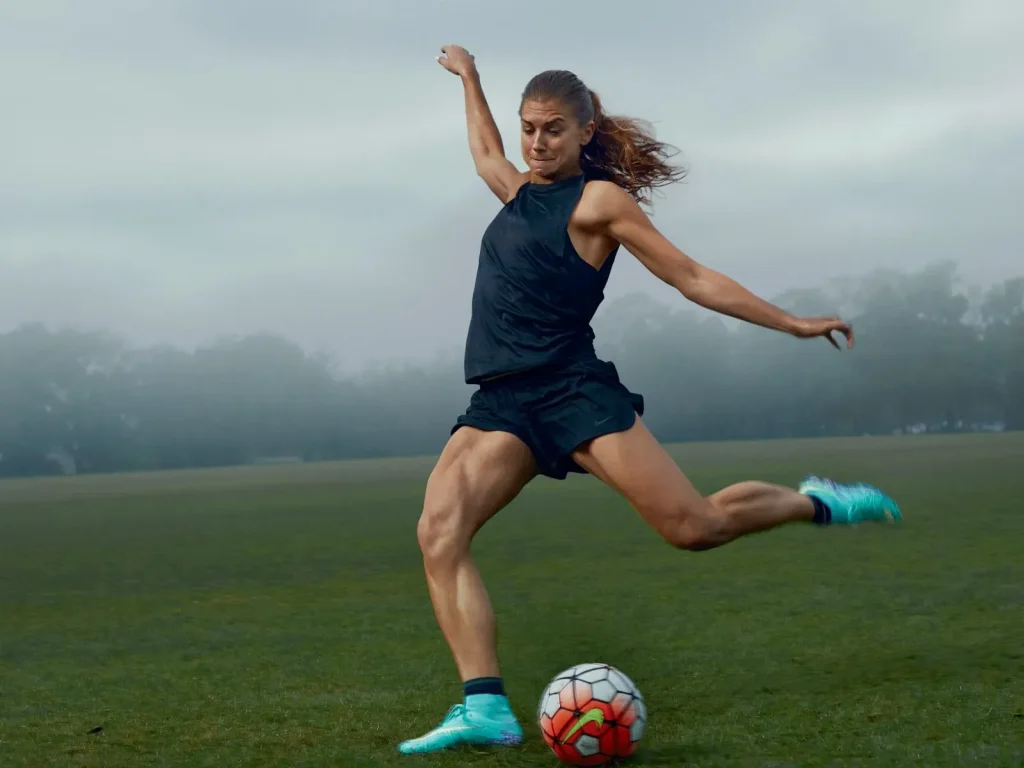

Women in sports is more than a headline; it is a reflection of culture, opportunity, and the ongoing effort to ensure that talent and dedication are recognized regardless of gender. From the earliest pioneers who trained in the shadows to today’s high-profile athletes who dominate arenas and social feeds, this evolution shows that female athletes persistently expand possibilities. As more girls see themselves represented in professional circuits, on college teams, and in local leagues, gender equality in sports moves from aspiration to practice. The rise of women in athletics is not just about performance but about leadership in women’s sports, coaching, governance, and advocacy. Addressing sports barriers for women remains essential to sustain this momentum and to empower more aspiring athletes.
Viewed through a broader lens, the rise of female competitors across disciplines signals a shift toward gender parity in competitive sport. This perspective centers on women’s athletics, leadership in sport governance, mentoring programs, and the development of pathways that shape training, competition, and opportunity. Seen this way, sponsorship, media coverage, and community outreach become catalysts for empowering girls in sport and removing barriers to participation. Together, these related terms—from female athletes to gender equality in sports and broader leadership opportunities in athletics—form a semantic map that helps readers connect the topic to related ideas.
Women in Sports: From Pioneers to Modern Leaders
Women in sports began their public journeys under the shadow of exclusion, where access to leagues, facilities, and coaching often depended on permission rather than talent. Early trailblazers faced social norms that prioritized male participation and minimized athletic achievement by girls and women. Yet their persistence—combining skill, discipline, and fearless competition—helped shift expectations, raise the profile of female athletes, and create a blueprint for future generations. The result was a slow but steady expansion of opportunities across schools, clubs, and national teams, a change that laid the groundwork for broader conversations about gender equality in sports and the value of competition by all athletes.
Today, leadership in women’s sports is increasingly visible in executive suites, coaching ranks, and advocacy groups. High-profile athletes partner with leagues and organizations to drive better pay, media coverage, and development pathways, proving that leadership in women’s sports yields tangible benefits for fans, communities, and young aspiring athletes. As more women step into governance and strategic roles within women in athletics, the ecosystem benefits from diverse perspectives that strengthen talent pipelines and reinforce the idea that sport can be a force for social progress.
Female Athletes and the Push for Gender Equality in Sports
Across arenas and courts, female athletes are challenging unequal treatment by demanding fair compensation, equitable media representation, and access to elite training. The push for gender equality in sports is about more than winning medals; it is about consistent recognition of effort, professional standards, and long-term viability for careers in sport. As these athletes compete at the highest levels, they draw attention to gaps in sponsorship and development that have historically limited progress for female athletes.
That advocacy extends into new leadership roles within associations, coaching staffs, and entrepreneurship, where female athletes leverage their platforms to shape policy and program design. By joining boards, forming athlete unions, and building businesses around their expertise, they expand the reach of women in athletics and demonstrate how leadership in women’s sports can amplify social impact, mentorship, and opportunities for the next generation of female athletes.
Leadership in Women’s Sports: Governance, Coaching, and Strategic Impact
Leadership in women’s sports requires governance structures that reflect the diversity of the talent on the field. Women in boards and committees influence budgeting, scheduling, safety standards, and talent development, ensuring that decisions prioritize athlete well-being and long-term success. This governance shift helps cultivate trust with fans and sponsors, while validating the contributions of female athletes to the strategic direction of the sport.
Coaching development and succession planning are essential components of sustained leadership. When aspiring coaches see successful role models and receive targeted mentorship, they are more likely to pursue administrative and tactical roles that shape leagues, academies, and national programs. By focusing on leadership in women’s sports at every level, organizations unlock deeper collaboration, drive performance, and create inclusive paths for women in athletics to become coaches and administrators.
Overcoming Sports Barriers for Women: Access, Pay, and Media Representation
Sports barriers for women persist in several domains—from pay gaps and prize money discrepancies to limited access to high-quality facilities and injury prevention resources. Biased media narratives can also obscure the depth of competition and the strategic dimensions of sport, reinforcing stereotypes rather than celebrating achievement. These structural obstacles hinder the careers of female athletes and affect the broader ecosystem that depends on a fair and inclusive environment.
Addressing these barriers calls for coordinated action across leagues, broadcasters, sponsors, and policymakers. Transparent compensation guidelines, equal broadcasting exposure, and investments in youth development help level the playing field. When media coverage emphasizes strategy, athletic intelligence, and leadership both on and off the field, public perception evolves, reinforcing gender equality in sports and expanding opportunities for women in athletics.
Sponsorship and Corporate Partnerships as Catalysts for Change
Sponsorship and corporate partnerships are powerful accelerators of change in women’s sports. Long-term investments provide financial stability for training, travel, medical care, and youth outreach, enabling athletes to compete at elite levels while building sustainable programs for future generations. Beyond branding, sponsors can offer mentorship, access to facilities, and professional networks that accelerate growth for female athletes.
When sponsorships align with gender equality in sports, the positive effects ripple across communities and programs that cultivate talent from grassroots to professional ranks. This holistic support helps validate women’s sports as a viable career path, strengthens the visibility of female athletes, and reinforces the importance of leadership in women’s sports within corporate governance and community initiatives. In this way, sponsorship becomes a catalyst for broader social impact and the advancement of women in athletics.
Youth Development and Community Programs for Women in Athletics
Youth development and community programs lay the foundation for lasting change in women in athletics. From after-school sports clubs to school-based leagues, these initiatives foster confidence, teamwork, and resilience while ensuring safe participation and skill-building opportunities for girls at every level. Early exposure helps normalize women’s participation in sport and creates a steady stream of talent that can rise to collegiate and professional arenas.
As programs scale, they expand leadership opportunities for young women through coaching internships, mentorship, and scholarship pathways. Communities that celebrate improvements in participation and achievement reinforce a culture where Women in sports matter and where female athletes can envision themselves as leaders. By investing in these pipelines, schools, clubs, and local organizations strengthen the overall ecosystem for women in athletics and ensure inclusive growth for generations to come.
Frequently Asked Questions
How is leadership in women’s sports transforming opportunities for female athletes and women in athletics?
Leadership in women's sports is expanding governance, coaching, and advocacy roles, creating clearer paths for female athletes and women in athletics to reach decision‑making positions. This momentum helps secure fair funding, mentorship, and policy changes that benefit both grassroots programs and professional leagues.
What are the current sports barriers for women, and how are they being addressed to advance gender equality in sports?
Sports barriers for women persist in areas like pay, media coverage, and access to development opportunities. Initiatives such as transparent salary structures, broader media visibility, and stronger youth‑to‑professional pipelines are helping push gender equality in sports forward.
Why is media representation important for Women in sports and female athletes, and how does it influence gender equality in sports?
Media representation shapes public perception, sponsorship opportunities, and investment in women in athletics. By highlighting the competition, strategy, and leadership of female athletes, media coverage advances gender equality in sports and inspires a new generation.
How do sponsorships and corporate partnerships support Women in sports and the broader ecosystem of women in athletics?
Sponsorships provide resources, stability, and access to facilities and medical care, enabling female athletes to train and compete at the highest levels. When brands align with the goals of gender equality in sports, they strengthen the entire ecosystem of women in athletics.
What role do youth development and grassroots programs play in advancing leadership in women’s sports and developing female athletes?
Youth development and grassroots programs create pipelines for female athletes by building skills, confidence, and safe participation from a young age. This foundation supports leadership in women's sports as girls advance to colleges and professional ranks.
What practical steps can schools, clubs, and policymakers take to accelerate gender equality in sports and reduce sports barriers for women?
Practical steps include equitable funding for youth and collegiate programs, increasing the number of female coaches in leadership roles, and implementing safeguarding measures. Additionally, promoting leadership in women's sports through curricula and media can further reduce sports barriers for women.
| Aspect | Key Points | Notes / Examples |
|---|---|---|
| Overview | Women in sports reflects culture, opportunity, and leadership; when barriers fall, talent and dedication are recognized, benefiting communities and the broader ecosystem. | From pioneers to today’s high-profile athletes, visibility, opportunity, and inclusive leadership drive progress in women’s athletics. |
| Historical Context | Early exclusion, limited facilities, and biased media shaped a foundation of barriers driven by social norms and undervaluation of female athletes. | Progress enabled more girls to see representation in professional, college, and local leagues; current leaders influence policy, coaching, and advocacy. |
| Current Landscape | Landscape is richer and dynamic but uneven; record performances and leadership exist alongside pay gaps, media gaps, and access disparities. | Entrepreneurial athletes and growing sponsorships illustrate how platform, influence, and business can advance gender equality beyond the field. |
| Pioneers & Leadership | Role models inspire new generations; leadership requires diverse voices in governance, coaching, and decision-making. | Grassroots investment strengthens pipelines and community development, enabling broader participation and success. |
| Professional Landscape & Media | Prize money, sponsorships, and broadcasts increasingly align with fan engagement and on-field excellence; gaps persist. | Improved visibility supports sponsorship, youth outreach, and community engagement but must address ongoing pay and revenue disparities. |
| Policy & Governance | Equitable funding for youth/college programs; coaching development; safeguarding and anti-harassment measures. | Results include more women in leadership, more girls pursuing pro careers, and broader societal recognition of female athletes. |
| Sponsorship & Partnerships | Long-term brand commitments stabilize finances; sponsorships involve storytelling, mentorship, and access to resources. | Aligned with gender equality goals, sponsors empower athletes and communities and support next-generation leaders. |
| Youth Development & Community | Programs encourage girls to participate from a young age; focus on skill-building, safety, and enjoyment. | Higher participation creates robust pipelines and strengthens leadership opportunities within communities. |
| Cultural Shifts & Advocacy | Athletes leverage platforms for policy changes, governance, and education; coalitions and unions advocate for better working conditions. | Active participation in boards and committees demonstrates collective action and broader impact on sport governance. |
| Path Forward | Expand access to facilities, promote salary transparency, and elevate female coaches; emphasize competition and leadership-focused media. | Invest in scholarships, research, and mentorship; celebrate successes and remove remaining obstacles to leadership in women’s sports. |