Outdoor sports safety gear is the backbone of enjoying any outdoor pursuit, protecting you from common risks and boosting confidence as you explore new trails, roads, or routes, whether you’re pacing a dawn run over granite slabs, steering a mountain bike through loose switchbacks, or navigating a windy ridge above forestry. From head protection to weather-ready layers, Outdoor safety gear for sports empowers you to push boundaries with less fear, because properly fitted equipment reduces the likelihood of head, eye, and knee injuries during falls, debris impacts, and sudden terrain shifts. Choosing gear starts with identifying the most likely hazards for your environment and activity, then checking safety standards, durability, and fit, a process that aligns with the concept of Safety gear for outdoor adventures designed to work across multiple seasons. Practical guidance covers Protective gear for hiking alongside Cycling safety gear and Water sports safety equipment, ensuring you understand when to upgrade pads, helmets, flotation devices, footwear with grippy tread, and moisture-wicking layers for sustained performance. The overarching aim is to help readers assemble a balanced kit, learn how to inspect and maintain gear, and cultivate a safety mindset that makes longer sessions more enjoyable, predictable, and resilient in the face of changing conditions.
Beyond the explicit term, this topic is framed through broader notions of protective equipment and risk management for outdoor activities. Think of this as a guide to gear that shields the most vulnerable body parts while enabling fluid movement and quick response to changing conditions. In LSI terms, the discussion touches on PPE, impact protection, and environmental readiness rather than a single product category. You’ll encounter references to head protection, eye safety, and body armor as integrated parts of a holistic safety strategy. The language also covers defensive apparel such as insulating layers, weather shells, and footwear that boosts grip and stability on varied surfaces. The goal is to help readers map needs to activities, budgets, and climates, so the right equipment becomes an enabler of confidence rather than a burden. In this way, the focus shifts from mere gear acquisition to practical safety culture and ongoing maintenance.
Outdoor sports safety gear: Essential protection for every outdoor pursuit
Outdoor sports safety gear is more than equipment; it is a mindset that invites you to push your limits with reduced risk. Across trail runs, climbs, swims, and bike descents, good gear anchors your awareness and your performance.
This is why Outdoor safety gear for sports matters as part of a broader risk management approach. A balanced kit starts with fit and function: a helmet that sits correctly, eye protection that blocks glare and debris, and padding that shields joints without restricting movement.
Head to toe protection: helmets, eye protection, and protective padding
Head protection sets the stage for safety. Choose helmets that meet recognized safety standards (CE, EN, ASTM/CPSC) and ensure a snug, secure fit. For cycling safety gear, prioritize ventilation and a stable retention system, and consider advanced options like MIPS to reduce rotational forces in angled impacts.
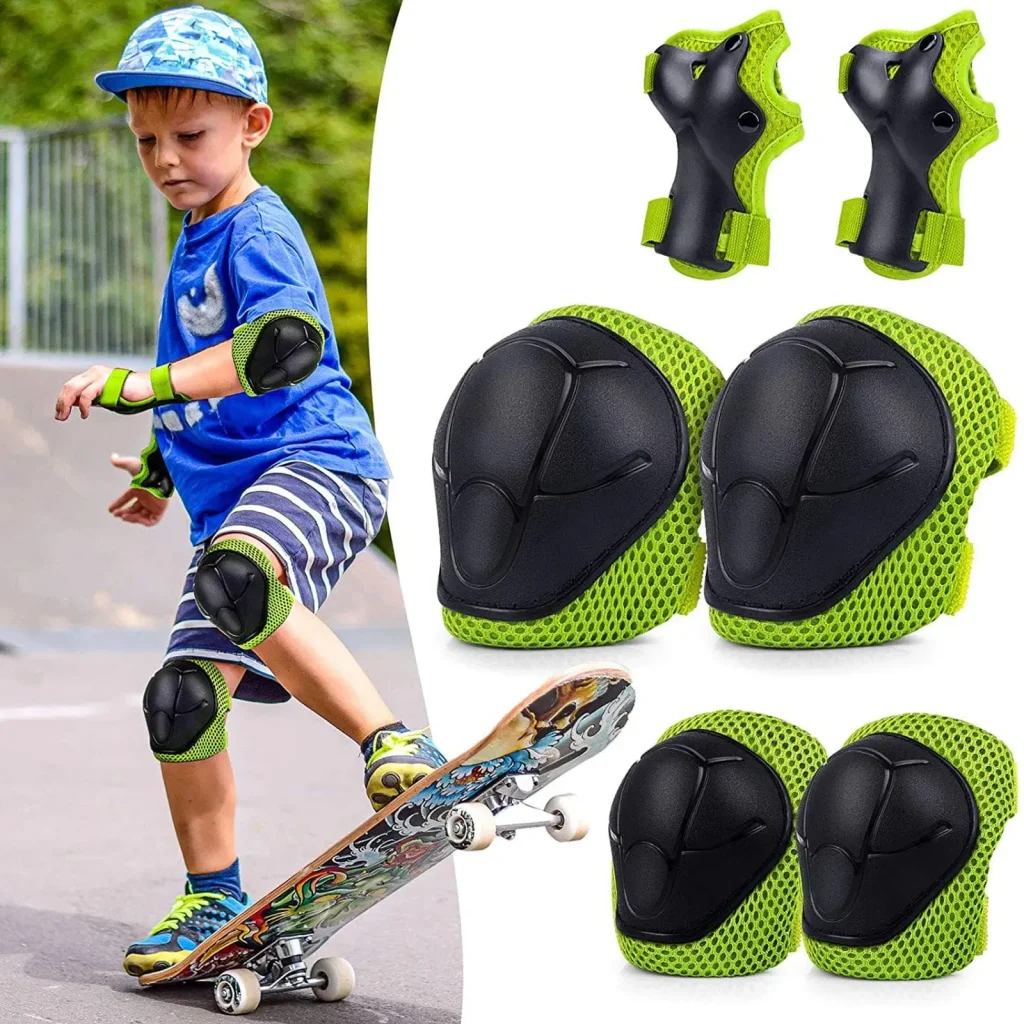
Eye protection and padding complete the kit. Goggles or sunglasses shield eyes from UV, wind, and debris, while impact-resistant lenses guard against fast-moving risks. Add protective padding for elbows and knees to reduce scrapes during falls and rough terrain; this approach translates well to protective gear for hiking on technical trails.
Protective gear for hiking: boots, layers, and anchors for rugged terrain
Hiking demands protective gear that balances durability, weight, and mobility. Sturdy hiking boots with ankle support, trekking poles for stability, and a well-fitted pack form the core of your safety system, complemented by weather-appropriate outerwear and moisture management layers.
Weather protection is essential on exposed routes. Layered garments with breathable fabrics keep you dry, while a compact rain shell shields you from sudden storms. Carry emergency essentials like a first-aid kit and a light emergency blanket to stay prepared for the unexpected.
Cycling safety gear: choosing a helmet, pads, and visibility for road and trail
Cycling safety gear should protect without slowing you down. Select a certified helmet that fits snugly and vent flows to keep you cool during long rides, whether you’re on smooth roads or rugged mountain paths. Reflective clothing and secure bike lights enhance visibility in low-light conditions.
Beyond the helmet, gloves, knee and elbow pads, and reflective accessories round out your protection. A reliable repair kit, pump, and spare tube are prudent companions on multi-hour outings. This kit aligns with the broader concept of Safety gear for outdoor adventures.
Water sports safety equipment: PFDs, wetsuits, and buoyant footwear
Water activities demand specialized gear that keeps you buoyant and protected. Water sports safety equipment includes life jackets or PFDs, wetsuits or drysuits for thermal protection, and water shoes that improve grip on slippery surfaces.
A whistle, throw rope, and a dry bag for valuables enhance on-water safety, while high-visibility gear and knowledge of local conditions support a prudent plan. Always practice the buddy system and keep communication devices accessible during open-water sessions.
Maintenance, fit, and emergency readiness: keeping gear reliable for every expedition
Reliable gear starts with a proper fit and regular inspection. Check straps, buckles, padding, and seals for wear, and retire anything that no longer offers protection. Clean gear according to manufacturer guidelines to preserve materials and extend life.
Emergency readiness goes beyond gear. Practice how to fit and use equipment correctly, carry a compact first-aid kit, and plan contingencies for weather, terrain, and emergencies. Regular maintenance supports sustained performance across diverse outdoor pursuits.
Frequently Asked Questions
What role does Outdoor safety gear for sports play in preventing injuries during cycling and hiking?
Outdoor safety gear for sports reduces injury risk by providing essential protection such as a properly fitted helmet for head protection, eye protection to guard against debris and glare, and protective padding for joints. Good gear also improves grip and stability, which supports safer movement on uneven terrain. Beyond protection, it promotes risk awareness and responsible decision making during outdoor activities.
What are the key components of a Safety gear for outdoor adventures kit for hiking and other activities?
A balanced Safety gear for outdoor adventures kit should include a certified helmet, eye protection, weather appropriate layers, protective padding, gloves, sturdy footwear, and a basic first aid and emergency kit. Additional items like a headlamp, whistle, map or GPS, and a compact multi tool help you stay prepared. Always choose gear with recognized safety certifications and the ability to adjust for fit.
How should Protective gear for hiking be sized, fitted, and maintained to maximize safety?
Protective gear for hiking should fit securely without restricting movement. Use adjustable straps, snug harnesses, and properly fastened fasteners, then inspect regularly for wear or damage. Clean gear as recommended by the manufacturer and retire items that show cracks, frayed straps, or loss of protective padding.
Within the Outdoor safety gear for sports framework, why are Cycling safety gear and eye protection essential?
Cycling safety gear and eye protection are central to safe riding. A certified helmet that fits well reduces head injury risk, while sunglasses or goggles protect eyes from UV light, wind, and debris and improve visibility in varying conditions. When possible, choose gear with good ventilation and anti fog features to maintain comfort on longer rides.
What does Water sports safety equipment typically include to keep you safe on open water?
Water sports safety equipment usually includes a properly fitted life jacket or PFD, a wetsuit or rash guard for thermal protection, water shoes for grip, and a whistle or throw rope for emergencies. A dry bag helps protect valuables, and high visibility gear plus a buddy system enhances safety in open water.
How can you select, fit, and maintain Cycling safety gear and other Outdoor safety gear for your needs?
Start with an activity risk assessment to identify the essential items for your environment. Prioritize core items such as a helmet and protective gloves, then choose modular gear that can adapt to multiple activities. Ensure correct sizing and comfort, practice proper fitting, and perform regular maintenance and inspections to keep gear effective season after season.
| Key Topic | Summary |
|---|---|
| Why safety gear matters | Injury prevention and confidence: a helmet reduces head injury; eye protection prevents damage; padding protects joints; proper footwear improves grip. Safety gear also promotes risk awareness. |
| Main categories | Head protection, eye protection and visibility, body protection, hands/feet and grip, and weather protection/visibility form the core categories. |
| Head protection | Helmets across activities; look for safety standards (CE/EN, ASTM/CPSC); consider lightweight design, secure fit, ventilation, and MIPS if relevant. |
| Eye protection and visibility | Goggles or sunglasses protect from UV, wind, dust, and glare; ensure UV protection and secure fit; water activities may use polarized lenses. |
| Body protection | Protective padding for joints; torso protection for mountaineering; weatherproof gear with armor-like reinforcement when needed. |
| Hands, feet, and grip | Gloves with reinforced palms; suitable footwear with good grip and ankle support; socks, traction devices, and gaiters for conditions. |
| Weather protection and visibility | Layered approach: moisture-wicking base, insulating mid-layer, weatherproof outer layer; high-visibility colors and reflective elements. |
| Gear selection by activity: Hiking/backpacking | Backpack, helmet (where required), trekking poles, layered clothing, first-aid kit, multi-tool, emergency blanket, headlamp, appropriate footwear, hydration, snacks, rain shell, sun protection. |
| Gear selection by activity: Cycling and road sports | Certified helmet, ventilation and a secure fit; gloves, pads if needed, lights, repair kit, pump, spare tube, UV-protective sunglasses. |
| Gear selection by activity: Water sports | Life jacket/PFD, wetsuit or rash guard, water shoes; whistle, throw rope, dry bag; visibility gear and buddy system. |
| Gear selection by activity: Climbing and scramble | Helmet, harness, rope, belay devices, protection (cams/nuts); regular inspection of ropes/harness; test knots. |
| Maintenance, inspection, and fit | Proper fit is essential; inspect for damage; clean per manufacturer; pack and store to protect gear; replace worn items. |
| Choosing the right Outdoor sports safety gear for your needs | Activity analysis to identify risks; prioritize essentials; consider modular gear and compatibility. |
| Sizing, comfort, and mobility | Gear should fit well and not hinder movement; use adjustable systems and test with typical layers. |
| Education, practice, and emergency readiness | Take safety courses, practice fitting and use, know basic rescue techniques, carry a first-aid kit, and plan contingencies. |
| Budgeting and shopping tips | Invest in quality, test fit, read real-world reviews, prioritize durability and repairability, and watch for sales. |
| Real-world safety mindset: practical tips for every adventure | Pre-trip checks, treat gear as part of the safety plan, stay organized, and respect local conditions. |
Summary
Conclusion