
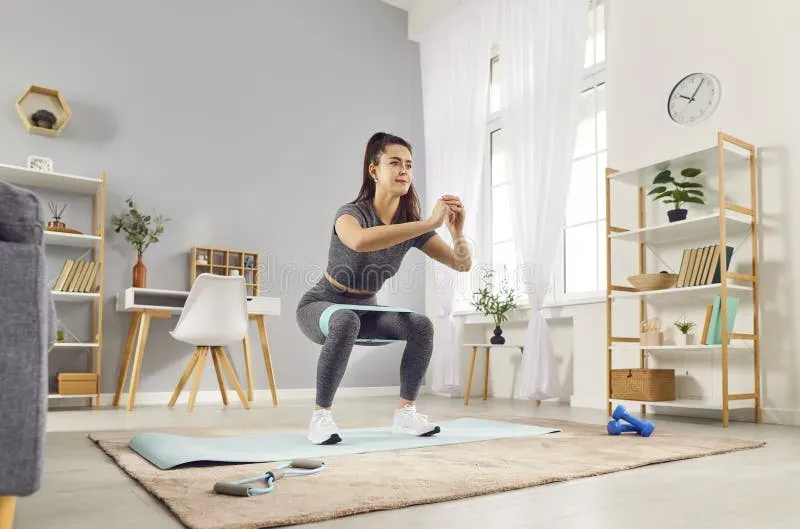
Home sports training lets you build season-ready strength at home for athletes, anytime and anywhere, with guidance you can trust for beginners and pros alike today. A well-structured plan uses bodyweight, minimal gear, and short, focused sessions, aligning with sport-specific training at home to translate gym gains into on-field performance, endurance, and confidence. From dynamic warm-ups and mobility to plyometrics, bodyweight exercises for sports build explosive power, speed, balance, and resilience without requiring a full gym or expensive equipment, yet still offering scalable challenges. The routines accommodate a busy calendar, turning living spaces into an efficient athletic training at home studio and providing an at-home workout for athletes that scales from beginner to advanced, with clear progression cues. Begin with a 15-minute starter block, log reps, monitor progress, and progressively advance as technique, consistency, and recovery become ingrained habits, while integrating rest days, hydration, and nutrition tips to support adaptation today globally.
To broaden the topic with LSI-friendly terms, think in terms like indoor athletic conditioning, home-based drills, and at-home fitness routines that support sport performance. Additional related concepts such as household space workouts, portable equipment routines, garage gym alternatives, and functional movement training at home help capture broader search intent. Across these phrases, the goal remains consistent: build skill, speed, and durability in a compact, accessible environment.
Home Sports Training Essentials: Dynamic Warm-Ups for Peak Performance
A solid at-home routine begins long before the main work; it starts with a dynamic warm-up that wakes up every major joint and muscle group. In a home setting, you can spend 8 to 12 minutes guiding hips, ankles, shoulders, and the spine through active ranges of motion, using leg swings, hip circles, ankle rotations, and thoracic twists. This is the foundation of home sports training, priming your nervous system and reducing injury risk so you can train with intent.
A thoughtful warm-up also aligns movement with your sport goals, preparing you for sport-specific training at home. By sequencing mobility drills that mirror your demands—like hip flexor openers for runners or ankle dorsiflexion work for basketball players—you establish a platform for efficient, bodyweight-based preparation that supports all athletic activities and strengthens your overall readiness.
Explosive Power on a Budget: Plyometrics and Strength Circuits at Home
Plyometric work unlocks rapid force production without needing a full gym. On a safe surface—a thick mat or carpet—you can start with low-impact squat jumps, tuck jumps, and lateral bound hops. Aim for 3 sets of 6–8 reps with 60–90 seconds of rest, keeping technique clean and landing softly. As your capacity grows, you can raise the challenge with a higher step or a light jump rope interval, all while staying within a compact home footprint.
Plyometrics are best used judiciously within your broader plan, blending with bodyweight strength work to build power while protecting joints. This approach dovetails with sport-specific training at home and athletic training at home, giving you targeted, explosive capacity that translates to faster sprinting, quicker changes of direction, and stronger bursts during competition.
Full-Body Strength Through Bodyweight Circuits
You can build a durable base in any living space with full-body bodyweight circuits. A simple session might include push-ups, squats or pistol squats with support, glute bridges, planks, mountain climbers, and rows using a sturdy table or door frame. Completing 3 rounds of 8–12 reps per movement, with 30–60 seconds of recovery between actions, creates a balanced blend of strength and muscular endurance.
To progress, increase repetitions, trim rest intervals, or add tempo—slow eccentric lowering, for example—so your muscles work longer under tension. This method aligns with at-home training principles and supports performance across most sports by developing relative strength and robustness, while remaining accessible in a compact space and requiring minimal equipment.
Speed and Agility in Tight Spaces
Speed and agility can flourish in small homes with carefully designed drills. Use taped floor ladders and makeshift cones to practice in-and-outs, carioca, and forward-backward shuffles. Short, intense bouts of 15–20 seconds with 40 seconds of rest, repeated 6–8 times, mimic game-like demands without running full sprint intervals. These drills quickly transfer to field or court performance and enhance overall athleticism even in a limited environment.
Structured tempo and space-efficient drills help you maximize your training time. By centering sessions on repeated, high-quality movement with minimal fatigue risk, you reinforce neuromuscular coordination that pays dividends in sport-specific speed and agility when you return to competition.
Sport-Specific Skill Drills Using Everyday Items
Everyday items become effective coaching aids for sport-specific training at home. A hallway can cue quick foot placement and cadence for runners; chairs or cushions become obstacles for basketball footwork and dribbling with a lightweight ball; a rolled-up sock can simulate a ball for soccer touch and short passes. The goal is to preserve technique and tune movement patterns when access to a gym is limited, reinforcing sport-specific training at home.
As you tailor drills to your sport, you’ll reinforce transferable skills—ball control, shooting form, rhythm, and tempo—that carry into competition. This approach keeps your technical sharpness intact, supports confidence, and demonstrates how simple household setups can sustain high-quality practice without expensive equipment.
Conditioning, Balance, and Recovery for Longevity
Endurance and conditioning can be built with accessible interval work and stability challenges. Short, high-intensity intervals—such as 20 seconds on, 40 seconds off—applied to sprint repeats, cycling, or dynamic movements like burpees and mountain climbers, can fit into a 15–20 minute window two to three times per week. This at-home workout for athletes strengthens cardiovascular capacity and aids recovery between sessions, mirroring the demands of many sports.
Recovery and mobility cement long-term progress. Ending sessions with gentle static stretching, deep diaphragmatic breathing, and self-myofascial release using a foam roller or tennis ball supports parasympathetic recovery and reduces stiffness. In the long run, consistent mobility work and mindful rest protect against overuse injuries, underscoring the athletic training at home philosophy that progress comes from sustainable, well-planned programming.
Frequently Asked Questions
What is home sports training, and how can sport-specific training at home boost my performance?
Home sports training is a deliberate, equipment-light approach to build sport performance at home. It combines a dynamic warm-up, mobility work, and sport-specific drills to improve skills and conditioning without a gym. Using sport-specific training at home helps align movements with your goals and reduces injury risk.
How can bodyweight exercises for sports be incorporated into an at-home workout for athletes?
Bodyweight exercises for sports build strength, power, and endurance without any weights. Create a circuit with push-ups, bodyweight squats or pistol squats with support, glute bridges, planks, and mountain climbers, and progress by increasing reps or adjusting tempo. This fits an at-home workout for athletes and complements sport-specific training.
What role does athletic training at home play in developing power and resilience?
Athletic training at home supports power development through plyometric power circuits on safe surfaces. Start with low impact movements and progress as technique improves, pairing with strength and mobility work for a balanced plan. This approach helps you build resilience while staying in a home setting.
What are effective speed and agility drills you can do in tight spaces as part of home sports training?
Effective drills include taped ladder patterns, cone or bottle markers, and short, intense bouts of 15 to 20 seconds with rest in between. These home-friendly drills translate to faster footwork and quicker changes of direction on the field or court. They are a core part of home sports training.
How can you tailor sport-specific skill drills with everyday items for an at-home training session?
You can simulate sport cues using everyday items: hallway runs for runners, dribbling around chairs for basketball, and controlling a rolled sock or lightweight ball for soccer. These simple setups preserve technique and keep sport-specific training at home engaging and effective.
How should a concise at-home workout for athletes be structured to balance strength, conditioning, and recovery?
Structure a concise at-home workout for athletes with a dynamic warm-up, a full-body strength circuit, a short conditioning segment, and dedicated recovery work. Aim for 20–30 minutes per session, 2–3 times per week, and progress by increasing reps, shortening rest, or adding tempo. Tracking progress helps sustain momentum.
| Key Point | Description |
|---|---|
| Dynamic Warm Up and Mobility | 8-12 minutes of joint movement; mirrors sport demands; reduces injury risk; primes the nervous system; sets tone for sport-specific work. |
| Plyometric Power Circuits on Safe Surfaces | Low-impact plyometrics; 3×6-8 reps; 60-90 seconds rest; progress by height/step or light jump rope; emphasize technique and joint safety. |
| Full-Body Bodyweight Strength Circuits | Multi-joint circuits (push-ups, bodyweight squats or pistol squats with support, glute bridges, planks, mountain climbers, rows with a door frame) 3 rounds of 8-12 reps; 30-60 seconds rest; progress via reps, rest, or tempo. |
| Speed and Agility Drills in Tight Spaces | Fast feet and quick changes of direction in small spaces; ladder drills and markers; 15-20 second bouts with 40 seconds rest; 6-8 rounds; translates to on-field speed. |
| Sport Specific Skill Drills with Everyday Items | Use household items to simulate sport cues: hallway footwork for runners; dribbling around chairs; catching/shooting with a lightweight ball; preserves technique without gym gear. |
| Resistance Band Strength and Mobility | Light to medium bands for upper body (pull-ups, rows, shoulder presses) and heavier bands for lower body (hip thrusts, glute bridges with band, monster walks); 2-3 sets of 12-15 reps; safe progression. |
| Endurance and Conditioning: HIIT at Home | 20 on/40 off intervals; activities like sprint repeats, cycling, or burpees; 15-20 minutes, 2-3 times per week; builds cardio conditioning and stamina. |
| Balance, Proprioception, and Stability | Single-leg stands, chair squats, heel-to-toe walks; use an unstable surface if available; 2-3 sets of 30-60 seconds; eyes closed variants add proprioceptive challenge. |
| Recovery and Mobility for Longevity | Gentle static stretches, diaphragmatic breathing, and self-myofascial release (foam roller or tennis ball); focus on hips, calves, chest, back; promotes longevity and reduces overuse risk. |
| Creative At Home Training Games to Stay Engaged | Time trials, obstacle courses, and partner drills; turns home space into a flexible training environment; sustains motivation and aligns with sport goals. |
Summary
Conclusion: Home sports training provides a practical path to peak performance without a gym. Through ten innovative approaches, you can transform a living room, hallway, or backyard into a focused training space that blends strength, speed, mobility, and sport-specific skill. Track progress, celebrate small gains, and adjust drills as your capacity grows, keeping form and progression central. By integrating sport-specific training at home, bodyweight exercises for sports, and athletic training at home into your weekly routine, you can elevate performance and enjoy the process, with benefits extending beyond the field or court into daily life.