The history of sports reveals how communities imagined competition, organized gatherings, and celebrated skill across millennia, highlighting the way games reflected values, technologies, and power structures of their times. From ritual feasts and village contests to early public performances, people used athletic activities to foster social bonds, transmit cultural knowledge, and demonstrate collective identity in ways that transcended generations. Over centuries, standardized rules, venues, and training practices took root, turning playful contests into disciplined endeavors that could be measured, compared, and taught, enabling broader participation and the emergence of organized sport. As nations defined themselves through teams and events, the modern landscape of sport began to take shape, merging local customs with transregional networks that would eventually yield cross-border competitions and professional careers. Exploring this arc helps explain why societies invest in sport as a catalyst for education, health, diplomacy, and economic vitality, while audiences celebrate achievement, fair play, and communal pride.
Viewed through an alternate lens, the topic unfolds as the sociology of athletic performance, where movement, coaching, and spectator energy weave together to form a resilient cultural practice. This frame emphasizes training regimes, governance structures, and the design of venues as reflections of broader social priorities, including health, education, and national identity. LSI-inspired terms such as athletic competition, physical culture, and competitive sport help connect historical milestones with contemporary trends, ensuring the concept remains accessible to readers and search engines alike. In this light, the journey from early games to global tournaments resembles a large-scale coordination of bodies, ideas, and institutions that shapes how communities invest in talent, media, and infrastructure.
History of Sports: From Ancient Rituals to Global Competition
The history of sports reveals how communities threaded competition, ritual, and social cohesion into everyday life. From carved clay tablets marking ball games to field-based contests that gathered villages, early athletic activity carried meaning beyond winning—it reinforced shared values, trained discipline, and collective identity. These beginnings show how sport served as a mirror of the societies that created it, reflecting beliefs, technologies, and social structures across time.
As civilizations emerged, the practice of sport evolved from sacred ritual into organized competition. Rules began to crystallize, communities formed clubs and festivals, and early forms of governance emerged to maintain fairness. This transition laid the groundwork for the evolution of sports as both a cultural practice and a scalable system that would later support national and international competition.
Ancient Games to Modern Sports: Tracing the Evolution
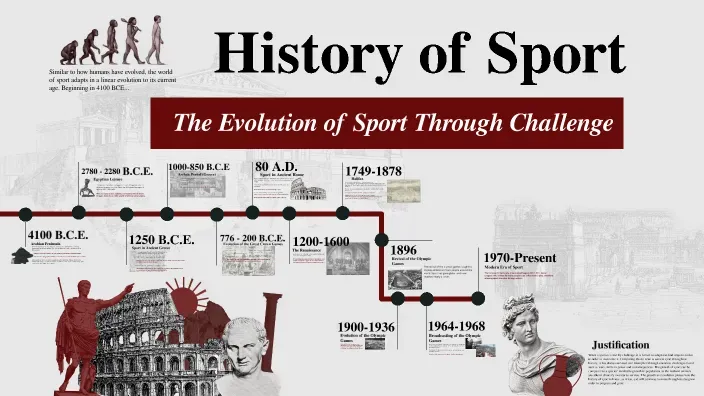
Tracing ancient games to modern sports reveals a long arc from communal ritual to codified play. Ball games, running contests, and wrestling appeared in Egypt, Mesopotamia, India, China, and the Americas, each tying athletic skill to social meaning. The transformation continued as civilizations embraced standardized rules, public spectacle, and the idea that sport could educate and unite people beyond local communities.
The Greek world and later empires elevated sport into a civilizational project, linking physical prowess with civic virtue and collective memory. This era seeded practices that would be refined into modern codes, competitions, and international exchanges, shaping how societies understood fairness, training, and the pursuit of excellence across borders.
Evolution of Sports: From Rituals to Professionalism
In the shift from ritual to recreation, sport began to be practiced and taught more broadly, expanding access beyond elite circles. Writing, measurement, and early coaching introduced precision and repeatability, enabling communities to track progress and compare skill. The social fabric around sport widened as towns, universities, and clubs formed around athletic activity, signaling a move toward standardized competition.
The 19th century brought codification, clubs, and the first waves of organized leagues that transcended local pride. Increased literacy, safety standards, and scientific training propelled what would become modern sports, while cross-border exchanges fostered new ideas about governance, competition, and professional pathways that broadened participation and reshaped the global sporting landscape.
Olympic History and the Global Expansion of Sport
Olympic history stands at the center of the modern sports era, a revival that linked athletic excellence with peaceful competition and national identity. The late 19th and early 20th centuries introduced standardized events, formalized judging, and later, gender-inclusive participation—milestones that expanded sport’s reach and legitimacy.
As the Olympic Movement grew, international federations formed around individual sports, enabling athletes from diverse regions to compete on common stages. Broadcast technology, improved travel, and global commerce transformed sport from local entertainment into a worldwide industry, catalyzing modern training, medical support, and strategic planning aimed at integrity, fair play, and lasting legacies.
Development of Modern Sports: Institutions, Professionalism, and Media
The professional era reshaped sport’s economics and culture, turning many athletes into full-time competitors and turning sponsorship, prize money, and merchandising into vital support structures. Media coverage—radio, television, and the internet—amplified reach, enabling global fan engagement and complex commercial ecosystems that influence facilities, coaching, and performance.
Alongside growth and profit, debates about amateurism, gender equity, and inclusion intensified. The development of modern sports intertwined scientific training, analytics, and policy reform with social progress, pushing for safer environments, greater opportunity, and governance frameworks that ensure competitive integrity while expanding access for athletes from all backgrounds.
21st Century Trends: Data, Globalization, and Inclusion in Sports
Today, the fusion of data analytics, wearable technology, and AI-powered coaching is reshaping how athletes train, recover, and compete. Globalization brings diverse playing styles and cross-cultural strategies onto the same stages, while streaming and digital platforms broaden access to competitions, stories, and insights from around the world.
Conversations about inclusion, accessibility, and sustainability are central to the ongoing narrative of sport. Governance reforms, community programs, and ethical considerations in venue design reflect a broader understanding of sport’s social value, aligning the development of modern sports with health, education, and empowerment for people of all ages and backgrounds.
Frequently Asked Questions
What does the history of sports reveal about how ancient games to modern sports shaped competition and society?
The history of sports shows how early communal games served social cohesion, ritual meaning, and character building, gradually evolving into organized competitions. From ancient games to modern sports, societies developed codified rules, formal training, and institutions that frame today’s professional and international events.
How did the evolution of sports transform ritual contests into organized, codified competition?
Across cultures, ritual activities became recreations with standardized rules, measurement, referees, and clubs. This evolution of sports laid the groundwork for modern governance, cross-border leagues, and scalable participation.
What role did codification play in the development of modern sports in the 19th century?
Codification created universal rules, clubs, and national associations, enabling fair play and structured competition. This development of modern sports accelerated with urbanization, science-based training, and international exchanges.
Why is Olympic history central to understanding how sports became a global phenomenon?
The Olympic history revived interest in universal events, standardized judging, and inclusion of new disciplines, catalyzing global participation. It helped transform sport into a worldwide industry supported by federations, media, and sponsorship.
How did the professional era and mass media influence the history of sports and its global reach?
The professional era turned athletes into full-time careers and created a market for broadcasting, sponsorship, and merchandising. Mass media magnified fan engagement, expanded audiences, and fostered international competition while raising questions about amateurism, equity, and athlete welfare.
What trends in the 21st century define the development of modern sports and inclusive participation?
Data analytics, wearable tech, globalization, and emphasis on inclusion are redefining training, governance, and access. These trends shape the development of modern sports toward sustainable venues, safer competition, and broader participation across ages and backgrounds.
| Theme | Key Points | Notes / Examples |
|---|---|---|
| Introduction/Overview | The history of sports traces civilization’s play, competition, and evolution; from communal rituals to today’s global, tech-driven spectacles. | Focus on origin, values, identity, and social structures shaping sport. |
| Origins of Competition | Ancient ball games and running contests appear across Egypt, Mesopotamia, India, China, and Mesoamerica; Greek Olympic tradition links athletic prowess to civic virtue and ritual. | Early social cohesion, ritual significance, and the beginnings of rule-based play. |
| From Ritual to Recreation | Sport shifts from sacred actions to broadly accessible recreation; improvements in writing, measurement, and spectatorship foster wider participation. | Groundwork for modern sport as teachable, practice-based, community-supported activity beyond elites. |
| Codification and Birth of Modern Sports | 19th century codifies rules, forms clubs, and birth of organized competitions; national associations and standardized language emerge. | Leagues, cups, governance foundations, and cross-border exchanges foster professional pathways. |
| Olympic History and Global Expansion | Revival of the Olympic Games in the late 19th century creates a global platform for competition, national identity, and peaceable sport. | International federations, broadcasting, travel, and global commerce expand reach and modernize training and fair play. |
| The Professional Era and Media Influence | Sport becomes a full-time career for many; sponsors, prize money, and media rights reshape economics and culture. | Amateurism vs professionalism, gender equity, athlete welfare, and data-driven fan engagement come to the fore. |
| 21st Century Trends: Data, Globalization, and Inclusion | Wearables, analytics, AI coaching, streaming, and global participation redefine training and competition. | Participation diversity, accessibility, governance, and sustainability become central to modern sport. |
| Cultural and Social Dimensions of Sport | Sport interweaves with culture, politics, and economics; race, ethnicity, and class influence representation and access. | Explores identity, inclusion, and power dynamics within national and global sport contexts. |
| Development of Modern Sports and the Future | Ongoing evolution with new sports, technology, and policy shaping competition and governance. | Future trends include sustainability, broader access, data-driven decision-making, and ethical governance. |
Summary
history of sports reveals how history of sports shapes competitions, identities, and communities across civilizations. From ritual beginnings to contemporary mega-events, the history of sports demonstrates how rules, training, and institutions encode cultural values and social structures. By examining the shifts from ritual to recreation, codification, globalization, and media influence, we see sport as a mirror of broader social change. This evolution highlights how sport intersects with economy, politics, and education, shaping both societies and the lives of athletes.