
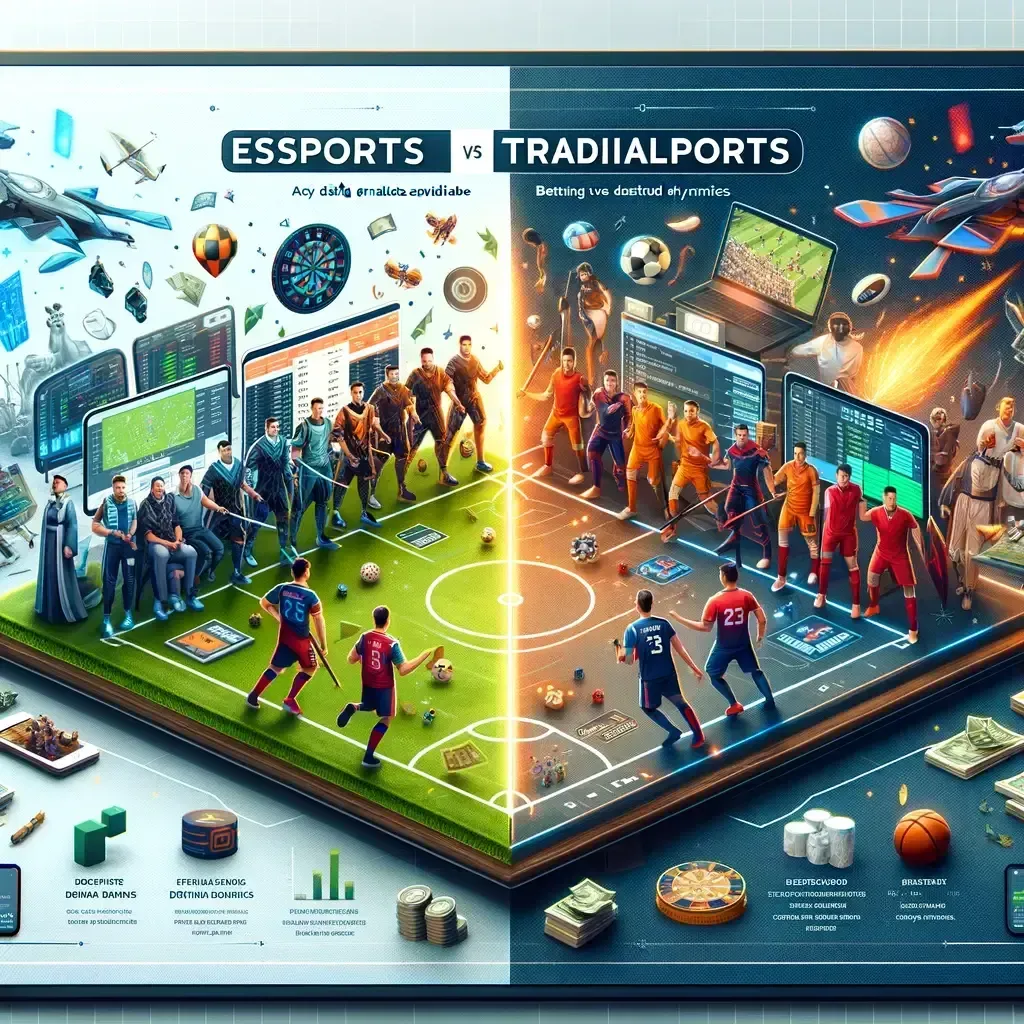
Esports vs Traditional Sports is more than a headline; it’s a cultural moment that pits digital competition against time-honored athletic traditions. As screens become the primary stage for competition, conversations about the esports industry growth and the benefits of esports reshape perceptions of traditional sports audiences. This dynamic also reshapes questions about who qualifies as an athlete, where investment flows, and how sponsors engage fans through esports sponsorships and other digital sports strategies. In this introductory overview, we examine the driving forces behind the debate, the parallels and differences, and what the future might hold as both realms evolve. By comparing performance metrics, fan engagement, governance, and career pathways, readers will gain a clear sense of why Esports vs Traditional Sports matters in modern sport.
Within an alternate framing, the topic unfolds through terms like electronic sports, cyber sports, and competitive gaming when placed alongside conventional athletics and traditional play. This LSI-informed approach underscores semantic connections such as digital competition, esports culture, and mainstream sports audiences, highlighting how training, governance, and fan engagement overlap even as media ecosystems diverge. By naming concepts such as esports industry growth and digital sports alongside classic leagues, the discussion remains accessible to readers while signaling to search engines a broader topical map. The framing emphasizes balance and nuance, illustrating how both digital and physical arenas demand discipline, strategy, and audience loyalty. Together, this approach sets the stage for deeper exploration of opportunities, risks, and the evolving pathways from amateur roots to professional prominence.
Esports vs Traditional Sports: Framing the Debate
Esports vs Traditional Sports frames a critical discussion about what counts as sport in a digital age. The debate centers on training regimes, performance metrics, audience reach, and cultural impact, all while the platforms and venues for competition evolve from gymnasiums to streaming studios and arenas.
This framing matters for athletes, sponsors, leagues, and fans because it shapes investment, governance, and pathways to professionalism. As digital platforms redefine accessibility and visibility, both sides can learn from each other while preserving distinct strengths.
Esports Industry Growth: Trends Shaping the Landscape
Esports industry growth is reshaping entertainment and sports economies worldwide. Growth is driven by streaming platforms, global tournaments, and diverse sponsorship ecosystems that reach younger demographics and urban tech hubs. The competitive ecosystem expands beyond a single title to a dynamic network of teams, leagues, and talent pipelines.
Investors are funding teams, academies, and events, while prize pools increase access to professional status for players regardless of geography. This growth is supported by esports sponsorships that blend digital campaigns with real world activations, creating deeper engagement across screens and stadiums.
Benefits of Esports: Why the New Arena Excites Diverse Audiences
Benefits of esports extend beyond entertainment value to opportunities for skill development, teamwork, and digital literacy. Players gain access to high level coaching, performance analytics, and global audition opportunities through tournaments and academies.
For fans and youth, esports provides inclusive pathways into competitive play, while sponsors and broadcasters learn how to deliver engaging content across multiple platforms, aligning with broader trends in media and fan interactivity.
Traditional Sports Audiences: Changes in Viewership and Engagement
Traditional sports audiences have deep loyalties, live experiences, and long standing rituals. As audiences shift toward hybrid consumption, traditional fans also engage with digital content and cross platform coverage, expanding reach beyond the stadium.
Traditional sports audiences value live event energy and established storytelling, yet the rise of streaming, on demand clips, and social conversations creates new touchpoints. Understanding these dynamics helps both esports and traditional leagues craft compelling narratives and accessible broadcasts.
Esports Sponsorships: Brand Activation Across Digital and Physical Realms
Esports sponsorships are redefining how brands activate with younger, tech savvy audiences. Campaigns blend influencer partnerships, live streams, and experiential experiences in gaming ecosystems, delivering measurable engagement through data driven metrics.
Successful sponsorships in esports demonstrate the value of authentic storytelling, cross platform activations, and community oriented campaigns that resonate with fans while complementing traditional sports sponsorships in shared marketplaces.
Digital Sports: Technology Driven Performance and Experience
digital sports describe a broader category that includes esports and other technology driven athletic pursuits. The emphasis is on cognitive skills, reaction time, decision making, and endurance under prolonged play that tests focus.
Advances in latency reduction, analytics, and immersive viewing reshape how fans consume digital sports. These technologies enable closer connections between players and audiences through real time feedback, personalized content, and omnichannel experiences.
Governance, Regulation, and Accessibility in Modern Competition
Governance and fair play are essential to the credibility of both esports and traditional sports. Clear eligibility rules, transparency in matchmaking, and robust dispute resolution help sponsors and fans trust the competitive process.
Accessibility matters for inclusion and opportunity, but it also raises questions about professionalization and burnout. A thoughtful governance framework supports ethical competition while widening pathways for new talent across both domains.
Athleticism and Training in Esports: Redefining Performance
Critics question whether esports lacks athleticism, but the discipline reveals a different form of sport. Top players train with structured routines that optimize reaction time, stamina, posture, and mental resilience across long sessions.
Pro league ecosystems view practice as a professional endeavor, with nutrition, sleep optimization, and data driven conditioning playing central roles. This blending of sports science and gaming culture is blurring the line between traditional athletics and digital performance.
Fan Experience and Community Building: Engagement Across Platforms
Fan culture fuels both Esports and Traditional Sports, yet the channels differ. Esports communities thrive on online rituals, rapid feedback, and creator led content, while traditional communities emphasize team loyalty, regional identity, and live rituals.
Prioritizing accessible broadcasts, authentic storytelling, and fair competition strengthens fan investment. When fans feel seen across streams, chats, and arenas, they deepen their commitment and advocacy for the sport they love.
The Hybrid Future: Blended Events and Shared Value
The hybrid future envisions blended events where live traditional games and esports disciplines run on the same weekend, expanding reach and creating cross pollination of audiences.
Sponsors can activate campaigns that honor both digital innovation and physical prowess, while athletes explore cross sport opportunities and new career pathways in this integrated ecosystem.
Frequently Asked Questions
Esports vs Traditional Sports: how does this framing reflect the esports industry growth and its implications for competition?
The Esports vs Traditional Sports framing highlights rapid esports industry growth driven by online platforms, global audiences, and new investment. It shows how digital competitions are expanding in scale and reach, with more leagues, events, and sponsorships fueling the ecosystem while governance and standardization catch up.
Esports vs Traditional Sports: what are the benefits of esports in this debate and how do they shape fan engagement?
Benefits of esports in the Esports vs Traditional Sports discussion include accessibility, wide geographic reach, and data-driven training. These advantages drive deeper fan engagement through streaming, interactive content, and online communities, complementing traditional sport narratives rather than replacing them.
Esports vs Traditional Sports: how do traditional sports audiences compare to esports audiences, and what does this mean for broadcasters?
Traditional sports audiences remain large and experience-driven, while esports audiences favor online channels, chat, and late-night streaming. The Esports vs Traditional Sports lens suggests broadcasters should blend live stadium experiences with digital storytelling, creating hybrid programming that serves both communities.
Esports vs Traditional Sports: how are esports sponsorships shaping the landscape, and what can brands learn across both domains?
Esports sponsorships offer access to younger, tech-savvy fans and targeted digital channels. In the Esports vs Traditional Sports context, brands learn to combine influencer partnerships, cross-platform advertising, and traditional campaigns to extend reach and deepen engagement across audiences.
Esports vs Traditional Sports: in the digital sports era, how do training, governance, and accessibility evolve for both sides?
Digital sports drive performance through data analytics, structured practice, and scalable training. The Esports vs Traditional Sports discussion highlights evolving governance with fair competition rules, eligibility criteria, and transparency, while improving accessibility for aspiring athletes in both domains.
Esports vs Traditional Sports: what does digital sports convergence mean for sponsorships and audience growth in a blended ecosystem?
Digital sports convergence enables co-branded experiences, cross-pollinating sponsorships, and shared audiences across platforms. The Esports vs Traditional Sports perspective suggests a future where hybrid events and joint content unlock new growth for brands, leagues, and fans alike.
| Aspect | Key Point |
|---|---|
| Core question | Can digital athletic competition sit on equal footing with physical sports in training, performance, audience reach, and cultural impact? |
| Common elements | Disciplined practice, strategic thinking, teamwork, fan communities, and governance that rewards excellence. |
| Driving macro-trends | Shift to digital content among younger audiences; cross‑pollinating sponsorships; technology narrows gaps between digital and real sports. |
| Physicality vs cognitive demands | Traditional sports emphasize measurable physical output; esports emphasizes cognitive stamina, reaction time, and fine motor skills. |
| Audience & engagement | Esports relies on online ecosystems; traditional sports on live venues and legacy media; hybrid events blur boundaries. |
| Economic dynamics | Traditional sports: broadcasting rights, tickets, sponsorships; Esports: sponsorships, merchandise, digital ads, prize pools. |
| Governance & accessibility | Federations and rules underpin both; esports moves toward standardization; accessibility raises inclusion and career-path considerations. |
| Athleticism & training | Esports athletes train with reaction drills, nutrition, sleep, mental resilience; practice is professionalized and data-driven. |
| Technology & future landscape | Streaming quality, latency, VR/AR; cross‑platform rights; joint ventures and talent pipelines shaping both realms. |
| Fan experience & hybrid future | Fan culture differs but both value accessible broadcasts and compelling storytelling; blended events offer broader reach and opportunities. |
Summary
Esports vs Traditional Sports represents more than a competition for attention; it signals a broader rethinking of what sport means in a connected, tech enabled world. The dialogue explores how digital competition and physical prowess can coexist, influence fan engagement, and reshape investment, governance, and pathways for athletes. Both realms push toward measuring performance across modalities, from cognitive stamina to athletic output, while telling human stories that resonate across screens and stadiums. Looking ahead, hybrid events and cross pollinating sponsorships offer opportunities for collaboration, diversification of audiences, and new career avenues for players who navigate both digital and physical arenas. Ultimately, Esports vs Traditional Sports challenges traditional notions of athleticism while expanding the definition of sport to include innovation, discipline, and inclusive access.