
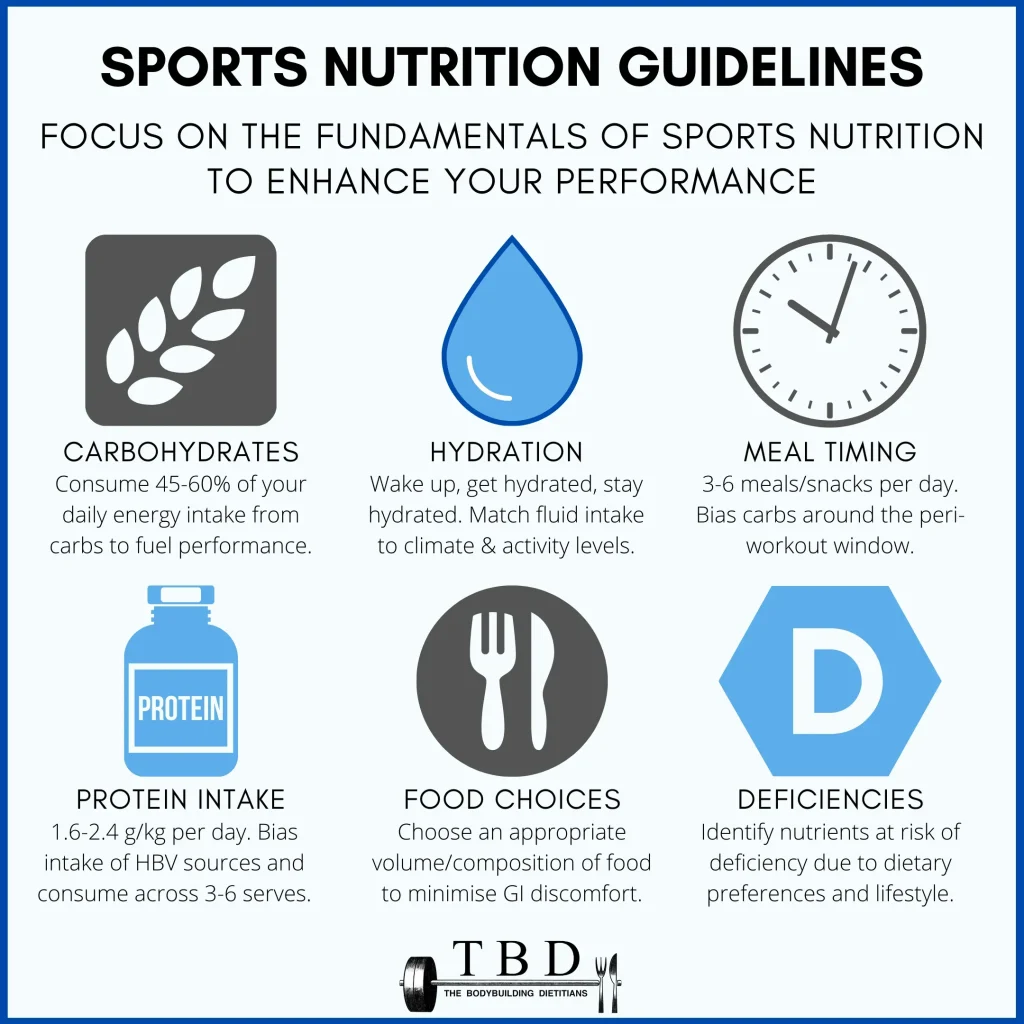
Sports Nutrition Secrets are practical, science-backed strategies that empower you to train harder, recover faster, and perform at your best during every workout and competition, turning nutrition into a reliable competitive edge. If you’re seeking reliable ways to fuel for peak performance nutrition, this guide distills essential concepts into actionable steps you can apply with confidence, drawing on proven principles and practical insights, including sports nutrition tips you’ll want to revisit. Whether you’re an endurance athlete, a team player, or a casual competitor, proper fueling supports energy, focus, and resilience by aligning carbohydrate timing for athletes with real-world training demands and individual tolerance. Core components—carbohydrates, protein, and fats—paired with smart hydration create a foundation for performance, with protein for athletic performance and endurance fueling strategies guiding recovery, adaptation, and long-term vitality across seasons. By translating science into practical routines, you can start implementing evidence-based adjustments today and build consistent, personalized habits that drive meaningful improvements in strength, stamina, and overall well-being over months and years.
Beyond the specific plan outlined above, consider nutrition for athletes as a holistic fuel strategy that supports training adaptations, recovery, and competitive resilience across sports and seasons. This broader view emphasizes macronutrient balance, hydration, timing around workouts, and individualized adjustments, using terms such as fueling science for performance, performance nutrition patterns, and athletic dietary strategies. By framing the topic with concepts like energy availability, carbohydrate cycling, protein distribution, and electrolyte management, you can apply evidence-based principles to any sport or routine. In practice, these ideas translate into practical habits—meal planning, pre- and post-workout snacks, and steady hydration routines—that you can tailor to your schedule and goals.
Sports Nutrition Secrets: Practical, Science-Backed Fuel for Peak Performance
Sports Nutrition Secrets are not hidden gimmicks; they are practical, science-backed strategies that translate into tangible performance gains. By aligning training with evidence-based nutrition habits, you can turn everyday meals into fuel for better workouts, faster recovery, and steadier energy. This is where sports nutrition tips become actionable, making complex science accessible for athletes at every level.
At the core are balance, timing, and personalization: the right mix of carbohydrates, protein, fats, fluids, and electrolytes tuned to your schedule. When you optimize carbohydrate timing for athletes, you ensure energy is available when you need it most, while protein for athletic performance supports repair, adaptation, and growth after training.
Carbohydrate Timing for Athletes: Fuel Windows That Power Training
Pre-workout fueling sets the stage for performance. A carbohydrate-rich meal 2–4 hours before training, plus a lighter option 30–60 minutes before depending on your schedule, aligns with carbohydrate timing for athletes and supports consistent energy delivery. This approach helps maintain blood glucose, delay fatigue, and improve focus during intense efforts.
During longer sessions, aim for 30–60 grams of carbohydrates per hour; for ultra-endurance events, 60–90 grams per hour can be appropriate. Choose a mix of gels, chews, sports drinks, or real foods, and pair with fluids to optimize absorption and electrolyte balance. This is a cornerstone of endurance fueling strategies that keep you going when the clock is ticking.
Endurance Fueling Strategies: Fueling Plans for Long Training Sessions
Endurance fueling strategies focus on delivering steady carbohydrate supply across hours of activity. By planning pre-event meals high in carbs with modest fiber and spacing, you guard against energy crashes and support peak performance nutrition over long efforts. The goal is to keep blood sugar steady and mental sharpness intact when fatigue begins to rise.
During events, practical fueling includes a 30–60 g/hour intake and electrolyte fluids to maintain hydration and performance. After exercise, replenish glycogen quickly with carbs and kickstart muscle repair with protein, following a typical 3:1 carbohydrate-to-protein ratio for rapid recovery.
Protein for Athletic Performance: Repair, Adaptation, and Growth
Protein for athletic performance fuels muscle repair, adaptation, and strength gains. Consistent daily intake supports muscle protein synthesis, while timing around workouts enhances recovery. Lean proteins, dairy, eggs, and plant-based options help you meet essential amino acids and support ongoing adaptation to training stress.
Distribute protein across meals, targeting roughly 1.2–2.0 g/kg of body weight per day and 20–40 g per meal to maximize synthesis. Plan a post-workout protein window within 1–2 hours, and consider a small protein-rich snack before bed to support overnight repair and growth.
Hydration and Electrolytes: The Performance Foundation
Hydration and electrolytes underpin every training session. Dehydration can erode endurance, cognitive function, and temperature regulation, so staying ahead with fluids is essential. A steady hydration habit supports consistent performance across workouts and events.
Electrolyte balance, especially sodium, helps maintain fluid balance and nerve function during longer or hotter sessions. A personalized plan that includes electrolytes and micronutrients can support energy production, muscle function, and immunity as training loads fluctuate.
Personalization, Consistency, and Daily Meal Planning for Long-Term Gains
Consistency is the bridge between knowledge and results. By applying sports nutrition tips with a personalized lens—considering body size, training load, climate, and goals—you can create sustainable routines that support ongoing gains. This practical approach translates science into everyday choices that drive steady improvements in performance.
Daily meal planning and proper distribution of macros—carbs for energy, protein for athletic performance, fats for fuel—helps you maintain energy and recovery. Track how you feel, adjust portions and timing, and use feedback to refine a steady path toward peak performance nutrition over time.
Frequently Asked Questions
What are the core Sports Nutrition Secrets for peak performance nutrition?
Sports Nutrition Secrets center on a science-based balance of carbohydrates, protein, fats, and hydration to support peak performance nutrition. They emphasize carbohydrate timing for athletes (pre-, during-, and post-workout) and sufficient protein for athletic performance, along with smart endurance fueling strategies to sustain energy.
How can I apply endurance fueling strategies to long training sessions?
Endurance fueling strategies recommend 30–60 grams of carbohydrates per hour for prolonged efforts, rising to 60–90 g/hour for ultra-endurance events. Pair carbs with fluids to optimize absorption and maintain hydration; these ideas come from Sports Nutrition Secrets and are aligned with sports nutrition tips.
What role does carbohydrate timing for athletes play in Sports Nutrition Secrets?
Carbohydrate timing for athletes is a central pillar of Sports Nutrition Secrets, helping maintain blood glucose and delay fatigue. Aim for a carbohydrate-rich meal 2–4 hours before training, a smaller snack 30–60 minutes prior for long days, and rapid glycogen replenishment with carbs after workouts.
How much protein for athletic performance should I aim for daily?
For most athletes, 1.2–2.0 g/kg body weight per day supports athletic performance, with even distribution of about 20–40 g of high-quality protein per meal to maximize muscle protein synthesis. This aligns with the protein for athletic performance guidance in Sports Nutrition Secrets.
What are key hydration and electrolyte guidelines in Sports Nutrition Secrets?
Hydration basics: start well-hydrated, sip regularly, and monitor urine color (pale-yellow is a good sign). For longer or heat-exposed sessions, include electrolytes such as sodium to replace losses and sustain performance. These hydration tips are part of Sports Nutrition Secrets and general sports nutrition tips.
How can I personalize Sports Nutrition Secrets to my training plan?
Personalization and consistency: use evidence-based guidelines as a starting point, then adjust for body size, training load, sport, climate, and goals. Track how you feel during workouts and in recovery, and adapt your plan using Sports Nutrition Secrets as your framework.
| Section | Key Points |
|---|---|
| Introduction | Sports Nutrition Secrets are practical, science-backed strategies that help you train harder, recover faster, and perform at your best. They focus on reliable, actionable guidance to fuel for peak performance. |
| Foundations | Energy comes from a balance of macronutrients—carbohydrates, protein, fats—paired with smart hydration and timing. Optimizing these elements supports performance, recovery, and endurance. |
| Core Principles for Peak Performance | Fuel before training: 2–4 hours before; a smaller option 30–60 minutes prior if later in the day; larger carb load for longer sessions. Fuel during long sessions: 30–60 g carbs/hour; 60–90 g/hour for ultra-endurance; use drinks, gels, chews, or real foods; hydrate with carbs. Refuel after workouts: 0.8–1.2 g/kg carbs within 0–2 hours; 15–25 g high-quality protein. Daily protein and meal distribution: 1.2–2.0 g/kg/day; 20–40 g per meal. Hydration basics: drink enough fluids to minimize thirst; light urine color; include electrolytes for longer or sweat-heavy sessions. Personalization and consistency: adjust guidelines based on body size, training, climate, and goals; combine evidence-based guidance with real-world consistency. |
| Endurance Fueling Strategies | Pre-event meals: high-carb meal 3–4 hours before; small snack 30–60 minutes before if needed. During-event fueling: 30–60 g/hour of carbs for events >60 minutes (60–90 g/hour may be used for long efforts). Electrolyte management: include sodium; adjust for heat and sweat losses. Post-event recovery: restore glycogen with carbs and support repair with protein; aim for a 3:1 carbohydrate-to-protein ratio. |
| Protein and Recovery for Peak Performance | Daily intake: 1.2–2.0 g/kg/day. Protein distribution: 20–40 g per meal to maximize muscle protein synthesis. Quality choices: lean meats, fish, eggs, dairy, legumes, plant-based proteins. Timing around workouts: protein within 1–2 hours after training; a protein-rich snack before bed aids overnight repair. |
| Hydration, Electrolytes, and Micronutrients | Hydration plan: stay well-hydrated, sip regularly, and adjust based on thirst and workout intensity. Electrolytes: sodium is key; use drinks or snacks with electrolytes for longer or hotter sessions. Micronutrients: iron, calcium, vitamin D, and other micronutrients support energy production and bone health; consume a balanced, varied diet. |
| Putting It All Together: A Sample Daily Plan | Breakfast: oats with berries, yogurt, and a banana. Mid-morning: protein smoothie with oats. Lunch: whole-grain pasta with lean chicken and vegetables. Afternoon training or snack: carbohydrate-rich option with fluids. Post-workout: recovery meal/shake with a 3:1 carb:protein ratio. Dinner: balanced plate with lean protein, complex carbs, healthy fats, and vegetables. Evening snack: casein protein or yogurt for overnight repair. |
| Common Myths and Realities | Myth: Fancy supplements are required; Reality: a solid foundation of whole foods works for most athletes; supplements are optional and context-dependent. Myth: Carbs are the enemy for endurance; Reality: carbs fuel endurance; timing and quantity should match training load. Myth: More protein always equals better recovery; Reality: protein is essential but should align with total energy and training stress. |
| Path to Consistent Improvement | Sports Nutrition Secrets emphasize consistency, personalization, and science-based decisions. Apply core principles—carbohydrate timing, protein timing, proper hydration, and endurance fueling—while tracking how you feel and adapting based on results. With steady practice, this approach becomes second nature, boosting performance. |