Coaching in sports is the art of guiding athletes toward peak performance while nurturing a lasting passion for the game. It blends strategy, psychology, and practical skill development, and the best coaches design learning experiences that challenge players while keeping them motivated. By integrating sports coaching tactics with athlete development and leadership in sports, coaches help teams build consistency and resilience. Coaching strategies guide practice design, feedback, and culture, ensuring learning is purposeful and progressive. Through this approach, player growth in sports becomes a shared value, from youth leagues to professional levels.
Put differently, effective athletic mentorship translates to guiding teams through structured practice plans and insightful feedback. This instructional approach emphasizes motivational leadership, tactical awareness, and ongoing talent cultivation. Trainers and educators design sessions that reinforce decision making, resilience, and disciplined routines. Whether coaching a school squad or a professional roster, the goal remains to maximize potential and sustain enthusiasm. By cultivating an ecosystem of guidance, the influence of coaching extends beyond drills to durable athlete development.
Coaching in sports: The Core Triad of Tactical Mastery, Leadership, and Player Development
Coaching in sports is the art of guiding athletes toward peak performance while cultivating an enduring love for the game. It blends strategic planning, psychological insight, and practical skill development, so each practice becomes a purposeful step toward improvement. Effective execution relies on sports coaching tactics that structure drills, feedback, and game simulations to mirror real competition.
At the heart of success lies a triad: tactical mastery, leadership in sports, and a clear focus on athlete development. Great coaches balance challenge with support, using coaching strategies that translate technique into on-field performance and place the player’s growth at the center of every decision.
Sports coaching tactics: Designing Practice Environments for Skill Transfer
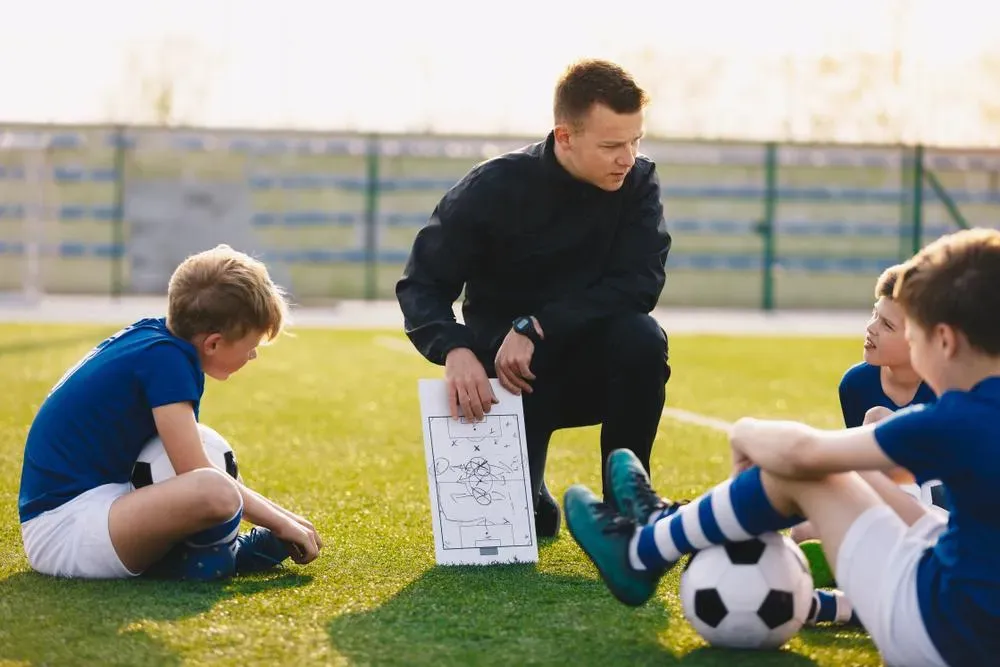
Crafting practice environments with sports coaching tactics means shaping drills, constraints, and scenarios that force players to read the game, adapt to teammates, and make quick decisions under pressure. Drills are purposefully varied and sequenced to move learners from basic mechanics toward game-like execution.
These tactics align with broader athlete development goals, ensuring that every rep contributes to player growth in sports. By tracking progress and adjusting difficulty, coaches reinforce confidence and mastery while sustaining motivation.
Athlete development: Nurturing Growth Mindset and Long-Term Potential
Athlete development goes beyond sprint times and ball handling; it includes building mental resilience, planning skills, and sustainable training habits. Coaches who emphasize growth mindset encourage curiosity, reflection, and deliberate practice that respects individuality while pursuing higher levels of performance.
Setting personalized milestones and documenting progress helps athletes see their own improvement over time. Leadership in sports emerges when mentors guide this trajectory, connecting daily effort to long-term potential and a sense of ownership over one’s path.
Leadership in sports: Fostering Culture, Communication, and Accountability
Leadership in sports starts with clear expectations and consistent communication. Coaches model integrity, accountability, and empathy, creating a culture where players trust feedback, support teammates, and strive for collective success.
Effective leadership extends beyond tactics; it enables players to step into leadership roles, contribute ideas, and take responsibility for both personal growth and team outcomes. When leadership is practiced daily, athlete development accelerates and cohesion grows.
Coaching strategies for different levels: From Youth to Professional
Coaching strategies vary by age, skill level, and context. In youth programs, language is simple, tempo is high, and feedback is frequent to build confidence and foundational control. In high school, college, and professional ranks, strategies become more nuanced, prioritizing decision-making, adaptability, and strategic understanding.
Across levels, the aim remains consistent: foster athlete development and player growth in sports while maintaining engagement and competitive edge. Adapting to the environment requires noticing individual readiness and tailoring responsibilities to empower each player.
Measurement and feedback: Data-informed coaching for player growth in sports
Data-informed coaching turns subjective impressions into actionable insight. Coaches collect observations, performance metrics, and game-day outcomes to reveal patterns and guide next steps in practice design.
Regular feedback loops, goal setting, and transparent progress tracking support athlete development and inform coaching strategies. When progress is measured and celebrated, players stay motivated, and teams sustain high-level performance across seasons.
Frequently Asked Questions
What is coaching in sports and why is it essential for combining tactics and athlete development?
Coaching in sports is guiding athletes toward peak performance while nurturing passion. It blends strategy, psychology, and skill development, with effective coaches designing learning experiences that challenge players and keep them motivated, aligning with sports coaching tactics and athlete development.
How do sports coaching tactics influence athlete development and player growth in sports?
Sports coaching tactics shape practice design, feedback, and progression, accelerating athlete development and helping players grow in confidence and skill. By aligning drills with game demands, coaches support long-term player growth in sports.
What role does leadership in sports play within coaching strategies?
Leadership in sports underpins coaching strategies, affecting motivation, communication, and team culture. Strong leadership helps athletes trust plans, execute tactics, and pursue ongoing growth through feedback and accountability.
What are effective coaching strategies for youth leagues to promote player growth in sports?
In youth leagues, coaching strategies should emphasize fundamentals, safe practice, and gradual responsibility. Focused drills, positive reinforcement, and mentorship foster athlete development and sustained player growth in sports.
How can coaches balance tactical mastery with individual athlete development in coaching in sports?
Balance is achieved by planning sessions that combine team tactics with personal development goals. Use targeted feedback, individualized progression, and opportunities for leadership roles to advance both tactical mastery and athlete development.
How can teams apply the triad of tactical mastery, leadership, and player development in everyday practice?
Apply the triad by structuring practices around clear tactical objectives, leadership opportunities on and off the field, and a growth-focused plan for each athlete. Regular assessments, deliberate practice, and collaborative learning reinforce coaching in sports and sustained player growth.
| Key Point | Description | Notes / Implications |
|---|---|---|
| Purpose of Coaching in Sports | Guiding athletes toward peak performance while nurturing lasting passion for the game. | Sets direction and motivation. |
| Core Disciplines | Strategy (tactics), psychology, practical skill development. | Integrated approach for effectiveness. |
| Learning Experience Design | Best coaches design experiences that challenge players and keep them motivated. | Balance challenge with motivation. |
| Triad for Long-Term Success | Tactical mastery, strong leadership, clear focus on player development. | Interdependent pillars. |
| Practice Approach | Apply targeted tactics, cultivate leadership, prioritize growth for every athlete. | Universal applicability across levels. |
| Scope and Outcomes | Applies from youth to professional levels; outcomes include improved players, competitive teams, and shared growth. | Growth mindset as a core value. |
Summary
Conclusion: Coaching in sports is a dynamic discipline that shapes performance and growth by integrating tactical mastery, leadership, and player development. Across youth, high school, college, and professional levels, effective coaching creates learning environments where athletes improve, teams compete at a high level, and growth becomes a shared value. By applying targeted tactics and prioritizing individual development within a team framework, coaches can sustain motivation and long-term engagement in the sport.