
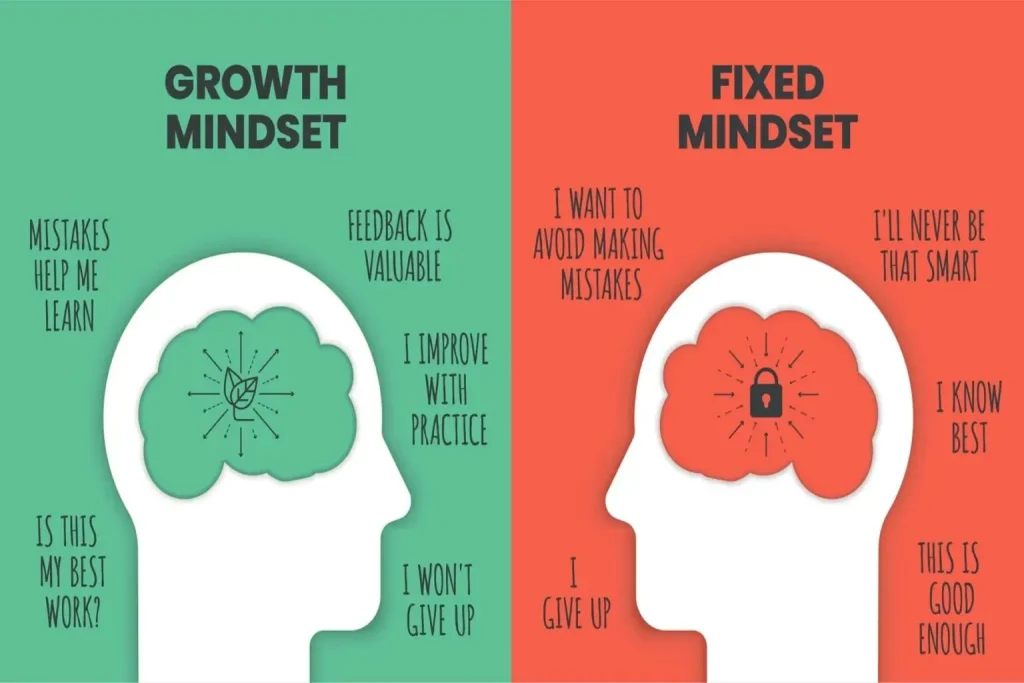
Mindset sets the tone for success across every sport, shaping how players approach training, competition, and recovery. By blending sports psychology insights with practical focus techniques, athletes sharpen attention, regulate arousal, and convert effort into reliable performance. A deliberate approach guides decision making under pressure, helps rebound from mistakes, and builds mental toughness in sports to sustain consistency through a long season. This introduction outlines evidence-based strategies—from visualization to resilience training—that empower athletes to control attention and energy when it matters most. Implementing these practices creates a durable approach that can be trained, measured, and repeated in practice and competition.
Beyond a single label, teams often reference attitude, cognitive stance, and psychological readiness as drivers of peak performance. From an LSI perspective, related ideas include focus under pressure, emotional regulation, and goal-directed preparation that align with sport outcomes. This descriptive framing emphasizes routines, visualization, and breath work that cultivate a holistic mental environment for action. By reframing challenges as solvable tasks and prioritizing consistent practice, athletes develop a resilient mental archetype that supports training and competition. In practical terms, this language shift helps coaches and players implement proven techniques that target attention, arousal control, and endurance across seasons.
Mindset as the Hidden Edge: How Mental Focus Drives Performance in Sports
Mindset matters in every sport, and the edge often comes from what happens between the ears. The Mindset you bring to practice and competition shapes how you respond to pressure, recover from mistakes, and sustain consistency across a long season. In sports psychology, this focus goes beyond love of the game; it includes controlling attention, emotions, and energy when the stakes are high, turning stress into a performance advantage.
Developing this Mindset relies on evidence-based strategies from sports psychology, including targeted focus techniques, resilience training, and visualization. By integrating these practices into daily training, athletes learn not just to perform but to perform reliably under variable conditions. The goal is to build a durable mental edge that sticks through training and competitive moments, creating habits that persist beyond the gym or field.
Sports Psychology Essentials: Techniques to Sharpen Focus and Decision Making
Sports psychology provides a toolkit for sharpening attention and improving decision making under pressure. Core techniques include attention control, cue words, pre-performance routines, and quick resets that help athletes stay centered when distractions arise. A simple recipe often starts with a cue word—relax, steady, or explode—and a deliberate breath before action to anchor focus.
Integrating these strategies into practice strengthens focus techniques and supports better on-field decisions. Mindfulness drills, short, intense attention blocks, and structured post-drill reflections help reduce rumination while expanding task engagement. When the Mindset is trained to stay present, performance becomes more predictable across drills, scrimmages, and real competition.
Visualization and Breathing: Harnessing Mental Rehearsal for Consistent Performance
Visualization is more than daydreaming; it’s structured mental imagery that activates neural pathways similar to actual performance. Athletes rehearse serves, dribbles, or passes in their mind, detailing actions, timing, and sensory cues. Pairing visualization with breathing techniques enhances arousal control, with diaphragmatic breathing helping calm the Mindset by reducing sympathetic activation and sharpening focus.
A practical routine might include five minutes of closed-eye visualization before practice, followed by a minute of box breathing with a four-count inhale, hold, four-count exhale, and hold. Repeating this cycle links mental rehearsal with physiological regulation, teaching the Mindset to regulate energy so that, when the game starts, the body feels ready and the mind feels clear.
Resilience Training: Building Mental Toughness in Sports for Adversity
Resilience training helps athletes bounce back after mistakes or setbacks. The Mindset can be structured so that a setback becomes data to learn from rather than a verdict on ability. Cognitive reframing—reinterpreting errors as information guiding better decisions—is a cornerstone skill in mental toughness in sports.
A resilient routine includes deliberate exposure to pressure, such as high-stakes simulations or time-constrained drills, combined with recovery plans and reflective practices. Over time, this builds a robust Mindset that endures the ups and downs of a season, supports consistent execution, and strengthens the link between effort, intention, and outcome.
Focus Techniques for Daily Practice: Cue Words, Pre-Performance Routines, and Quick Resets
Daily focus techniques center on attention control, cue words, and efficient pre-performance routines. Clear cues like relax or steady help narrow attention to the task, while short resets after errors prevent spiraling self-criticism. Chunking long goals into small, deterministic steps turns broad ambitions into actionable targets that the brain can lock onto with precision.
Distraction management is a critical part of practice. Techniques such as mental rehearsal and mindfulness support sustained attention, and structuring practice into two 15–20 minute focus blocks with brief breaks helps grow focus capacity over time. A brief post-drill reflection on what aided attention and what distracted it reinforces a practical, repeatable approach to focus across drills and games.
Goal Setting and Micro Habits: Structuring Mindset for Long-Term Consistency
Goal setting anchors the Mindset by balancing process goals with outcome goals. Process goals—maintaining clean technique, sustaining tempo, or hitting a set number of successful repetitions—keep attention on controllable elements and support reduced anxiety. Regularly revisiting goals reinforces the Mindset and grounds motivation even amid chaos.
A structured Mindset plan translates goals into routine. Practical planning includes a warm-up, mental cues, breath work, and short reaffirmations as part of a pre-competition routine. Building a weekly micro cycle—two 20-minute focus blocks per day with a five-minute breathing break between sessions, plus dedicated visualization and reflection time—promotes steady growth while reducing burnout and preserving long-term consistency.
Frequently Asked Questions
How does Mindset influence performance, and what role does sports psychology play in managing attention, emotions, and energy under pressure?
Mindset shapes how athletes respond to stress and mistakes, often predicting success as much as raw talent. In sports psychology, evidence-based techniques help sharpen focus, regulate arousal, and improve decision making, turning mental training into reliable performance gains rather than quick fixes. When practiced consistently, Mindset work complements physical training and supports steady performance across a season.
What focus techniques can strengthen Mindset during competition?
Focus techniques train attention control and reduce distractions to support Mindset under pressure. Use cue words (for example, words like relax or steady), short pre-performance routines, and quick resets after errors. Break big goals into small, deterministic steps so the brain can lock onto one target at a time, maintaining calm and sharp concentration during game moments.
How does resilience training contribute to mental toughness in sports and a durable Mindset?
Resilience training helps athletes bounce back from setbacks by reframing errors as data to learn from rather than judgments of ability. Core practices include cognitive reframing, controlled exposure to pressure, and deliberate recovery plans. Over time, this strengthens mental toughness in sports and reinforces a Mindset that stays aligned with effort, intention, and outcome.
What is the role of visualization in Mindset, and how does it work with breathing?
Visualization is structured mental imagery that activates neural pathways similar to actual performance. When paired with breathing, it enhances arousal control and focus. A practical routine is five minutes of closed-eye visualization before practice, followed by box breathing (four in, hold, four out, hold) to blend mental rehearsal with physiological regulation.
Why are goal setting and pre-performance routines central to building Mindset?
Goal setting focuses attention on controllable elements, with process goals (technique, tempo, repetitions) helping sustain motivation while balance with outcome goals guides direction. A well-designed pre-performance routine—warm-up, mental cues, breath counting, and positive self-statements—reduces anxiety and stabilizes concentration at key moments.
Which practical drills and micro habits can reinforce Mindset in daily practice?
Try these practical drills and micro habits: Five minute focus sprints pairing a physical drill with focused breathing and a cue word; Visualization drills—five minutes of quiet rehearsal of a key technique; Post-practice reflections—note a cue that helped focus, a moment you almost lost it, and one adjustment; Pre-competition routine checklist—warm up, mental cue, breath count, positive self-statement; Micro resilience notes—after a mistake, jot two positive interpretations and one recovery action. These practices support resilience training and help maintain a strong Mindset over time.
| Aspect | Key Points |
|---|---|
| Mindset role in sport |
|
| Focus techniques you can practice today |
|
| Managing distractions |
|
| Resilience and mental toughness |
|
| Visualization and breathing as Mindset tools |
|
| Goal setting and pre-performance routines |
|
| Practical drills and micro habits |
|
| Putting Mindset work into your sports schedule |
|
| Evidence, questions, and practical insights |
|
Summary
Mindset is a powerful driver of performance across sports. A deliberate Mindset shapes how athletes direct attention, manage emotions, and conserve energy under pressure, translating practice into reliable performance. This descriptive overview explains how evidence-based sports psychology techniques—focus routines, cognitive reframing, visualization, and goal setting—combine with deliberate practice to build resilience and steady execution. By turning mistakes into data, exposing athletes to controlled pressure, and embedding routines into daily training, Mindset becomes a durable resource that supports consistent decision-making and performance through a full season.